What if I Crash During a Test Drive
In most cases the car's own insurance pays first, whether it's a dealer's car or a private seller's, but confirm that before you drive.
A private seller's car, a fender bender, and a quiet lot
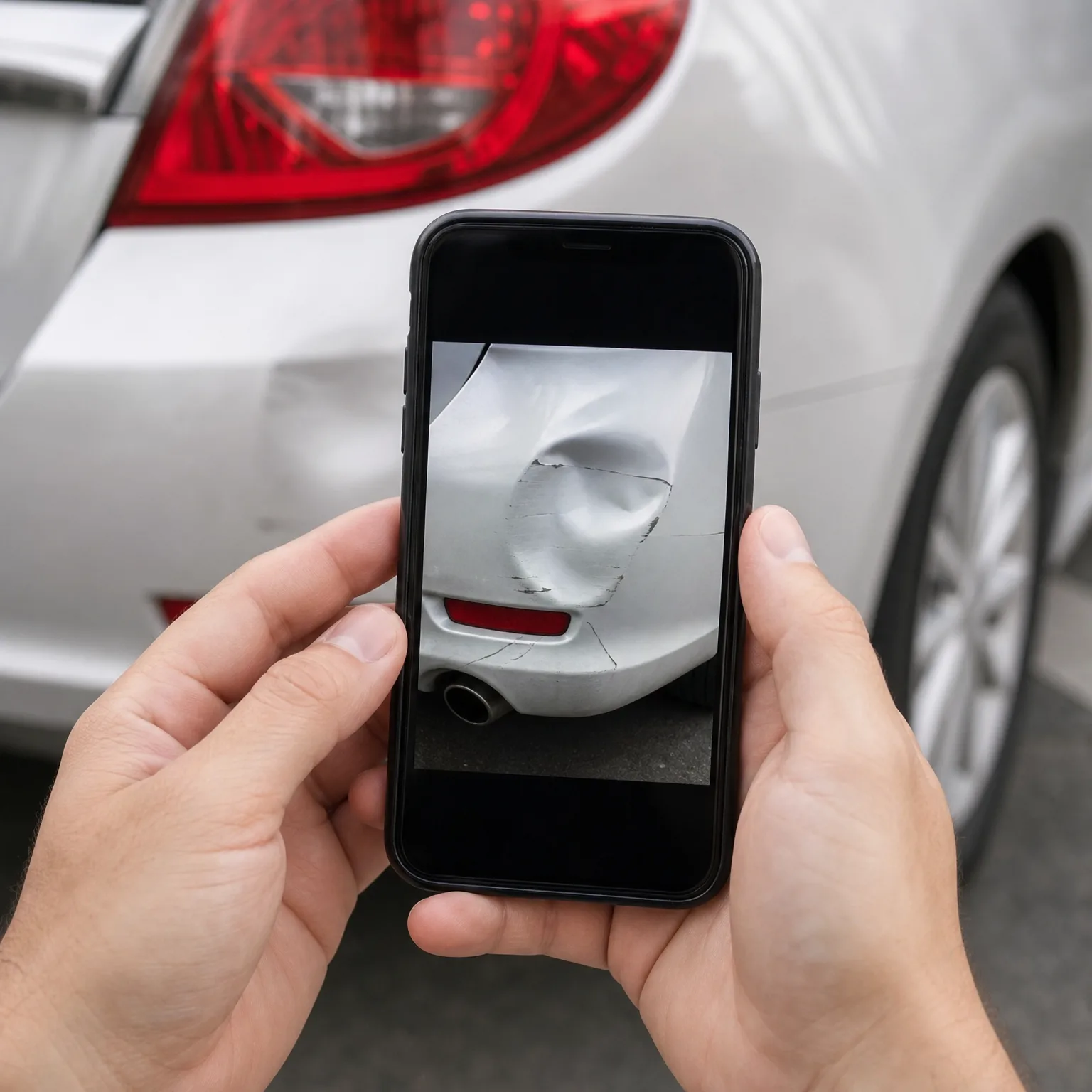
You find a car through a private seller and arrange a test drive. The seller rides along, you pull out of a quiet side street, and another car backs out of a driveway without looking. You tap their bumper at low speed. Nobody is hurt, but both cars have damage, and now you're standing on the curb with the seller trying to figure out whose insurance even applies here.
The seller assumed their policy would cover it since it's still their car. You call your own insurer from the scene to ask, and they confirm that since you don't own the car yet, you were driving with the seller's permission, which means the seller's policy is the first one responsible. Your own policy might offer some backup coverage for driving other people's cars, but only after the seller's insurance responds. You exchange information, the seller files a claim through their insurer, and the sale falls apart since the car now needs repairs before anyone can agree on a price. You walk away without a car, but also without a bill, because you checked before assuming.
The short version
If you crash during a test drive, the car's owner coverage usually responds first, whether that's a dealer's policy or a private seller's. Your own policy may offer secondary protection for driving other people's cars. Before any test drive, ask the seller directly what insurance covers the car, and confirm with your own insurer what backup you have.
Does my own car insurance cover me on a test drive?
Often it offers some backup, but it depends on your policy and the details of that drive. Many personal auto policies extend a layer of liability coverage when you drive a car that isn't yours, with permission, which is exactly what a test drive is. That coverage is usually secondary, meaning it responds after the car's own insurance has paid out what it can.
What it won't necessarily do is cover damage to the car you're driving, especially if it's a private sale and the seller's policy is thin or nonexistent. Call your insurer before you go. Ask specifically about driving a car you don't own, whether that coverage applies to private sellers as well as dealers, and what the limits are. That answer varies by policy, so don't assume.
Once you know who covers a test drive, compare quotes for the coverage you'll actually need once the car is yours.
Who pays if a dealer's car gets damaged on a test drive?
The dealer's own insurance is almost always the first line of coverage, since the car is still titled and insured by them. Dealers typically carry coverage meant for exactly this situation, cars being driven by prospective buyers. Ask the dealer directly what their policy covers and whether you'd be responsible for any portion, like a deductible, before you take the keys.
Do I need insurance to test drive a private seller's car?
You don't need your own policy in place to test drive, but you should know what covers you before you do. A private seller's personal auto policy usually extends to someone driving with permission, which includes a test drive, but personal policies vary widely in what they include. Ask the seller to confirm their coverage, and check with your own insurer about any backup protection you might have driving a car you don't own.
What should I ask before test driving a car I might buy?
Ask whose insurance covers the car during the drive and what it covers if something goes wrong. For a dealer, ask about their dealer coverage and any buyer responsibility. For a private seller, ask directly what their policy includes, since coverage differs by insurer and by state. Also check with your own insurer beforehand so you know what backup, if any, follows you into someone else's car.
The car isn't insured by you yet, so learn whose policy protects you before you get behind the wheel.