Should I Let Someone Test Drive My Car
Yes, you can let someone test drive your car, but your insurance and a few quick precautions should come first.

A private sale test drive that went smoothly
A seller listed their car online and a buyer asked to test drive it before making an offer. Instead of handing over the keys and waving goodbye, the seller asked to see the buyer's license and insurance card, then rode along for the drive. They kept the route short and local, avoiding highways, and stayed within a few miles of the house.
The buyer drove carefully, asked good questions about the car's history, and made an offer afterward. Because the seller had checked the buyer's license and confirmed their own policy would cover a permissive driver, they didn't have to worry about what would happen if something went wrong. The sale closed a few days later once they'd agreed on price and handled the title transfer.
What if the test driver causes an accident?
Your own insurance is typically the one that responds first, because the policy follows the car, not the driver. If the person behind the wheel has your permission to drive, most policies treat them as a permissive user, and your liability coverage extends to them for that drive.
This means any damage they cause to another car or property would be claimed against your policy, not theirs. Your rates could be affected just as if you'd been driving. That's exactly why it matters who you hand the keys to, and why a quick look at their license and a short, controlled route are worth the extra few minutes before you let anyone drive.
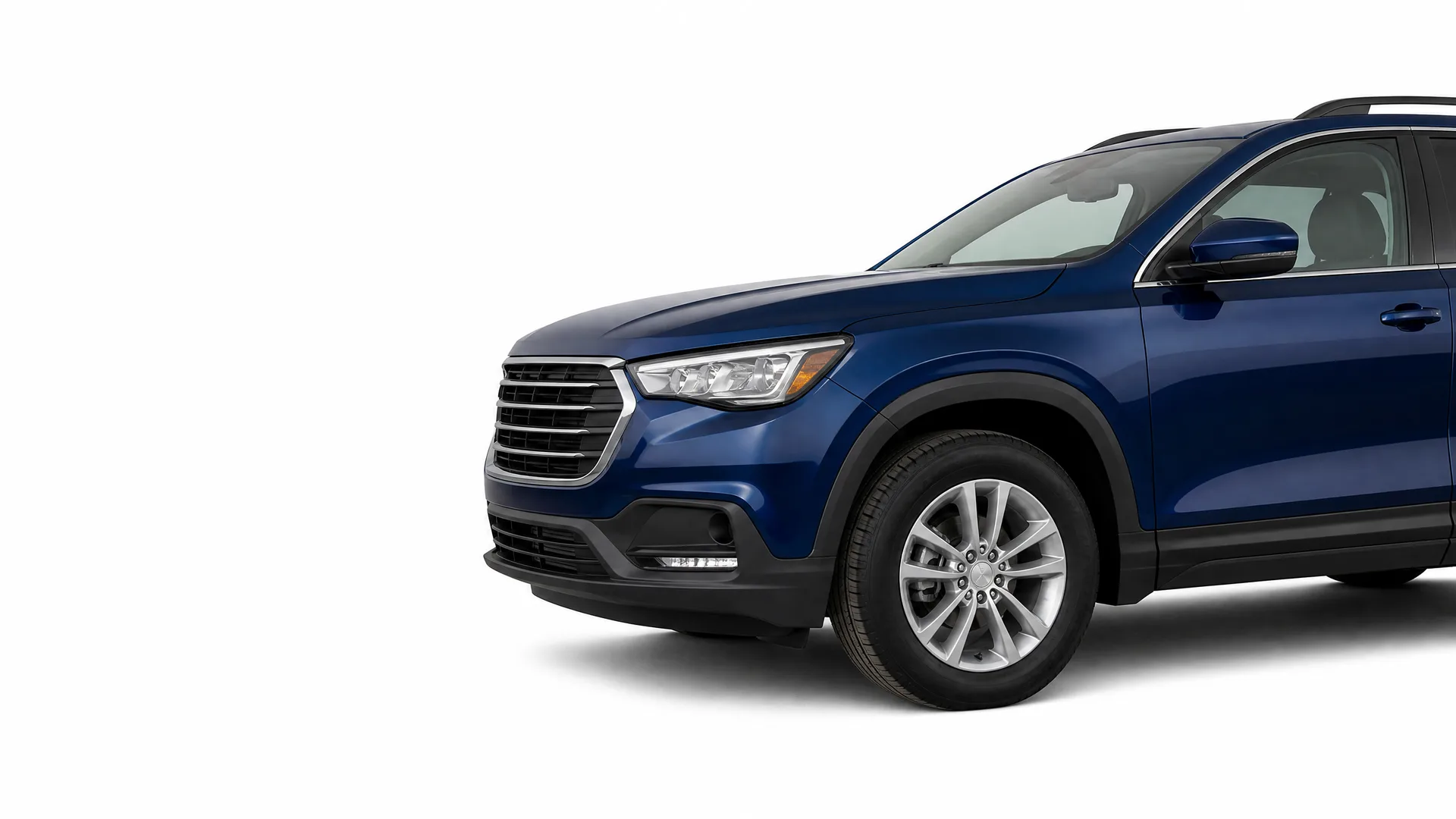
The real risk isn't letting someone drive, it's not checking who's driving before you do.
Once you know your policy covers a test drive, compare quotes to make sure your coverage is solid.

What to check before you hand over the keys
- Check your own policy first Call your insurer or read your policy to confirm permissive use is covered. This is the detail that determines who pays if something goes wrong.
- Verify the driver's license Ask to see a valid license before the test drive starts. This confirms they're legally allowed to drive and gives you their information if needed later.
- Ride along if you can Sitting in the passenger seat lets you control the route and step in if something feels off. It also discourages reckless driving.
- Keep the route short and known Stick to local roads you're familiar with rather than highways or unfamiliar areas. A shorter, simpler route limits exposure to risk.
- Ask about their own insurance Some states let an excluded driver's policy respond in certain situations. Knowing this gives you a fuller picture, even though your policy usually responds first.
Why your policy follows the car
Car insurance is built around the vehicle, not a specific person behind the wheel. This is why letting someone else drive your car with your permission usually means your policy is the one responding if there's a claim. Insurers designed it this way because cars change hands informally all the time, for test drives, borrowed trips, or emergencies, and the system needs a default answer for who's covered.
Permissive use is the term for this arrangement, and it exists specifically for situations like letting a friend, neighbor, or potential buyer drive your car occasionally. As long as you gave them permission and didn't explicitly exclude them from your policy, the coverage extends to that drive. This isn't universal though, so you should check your specific policy, since insurers vary in how they define permissive use and some policies name excluded drivers who would not be covered under any circumstance.
The cases where this gets complicated usually involve regular or repeated use rather than a one time test drive. If someone drives your car often, some insurers expect you to list them on the policy, and treating every drive as a casual one time event can create problems if a claim happens. A single test drive before a private sale is a different situation entirely, and it's the kind of occasional use permissive use coverage is meant for.
The other variable is the driver's own insurance status. In some states, if the person driving has their own policy, it can supplement yours or even respond first in specific situations. This varies by state and by insurer, so it's worth a quick call to confirm exactly how your policy and theirs would interact before you hand over the keys.
Do I need a bill of sale before letting someone test drive my car?
No, a bill of sale isn't required for a test drive since ownership hasn't changed yet. It only becomes relevant once you've agreed on a price and are ready to transfer the title. For the test drive itself, checking the driver's license and confirming your insurance covers permissive use matters more.
Should I remove valuables from my car before a test drive?
Yes, it's smart to clear out anything valuable or personal before handing over your keys. This isn't about distrust, it's just good practice when someone unfamiliar is driving your car. Glove compartment documents, garage openers, and personal items are easy to forget until they're gone.
Can I ask for a deposit before a test drive?
You can, though it's more common with higher value cars or when a buyer is traveling from far away. A deposit doesn't replace checking their license or confirming your insurance coverage. It's an extra layer of security some sellers choose to use, not a substitute for the basics.