Test Drives and Insurance
On a dealer's lot, the dealer's own insurance covers the test drive, not your personal policy.
The dealer's coverage follows the car, not you
A dealership carries its own insurance on every vehicle on the lot, and that coverage is what responds if something happens while you're behind the wheel on a test drive. Your own auto policy generally isn't involved, because you don't own or insure that car yet. This is standard practice across dealers, though the details of what the dealer's policy covers and for how long can vary by dealership and by state.
Private sellers are a different situation entirely. There's often no dealer insurance backing that car, so if the seller's own policy has lapsed or excludes the situation, you could be driving on thin coverage or none. Some personal auto policies extend limited coverage to a car you're driving with the owner's permission, but that's not universal and it's worth checking before you take the wheel.
Where this gets more complicated is longer test drives, like taking a car home overnight, or driving it well outside the dealer's immediate area. The further the drive strays from a quick spin around the block, the more a dealer or insurer may expect you to have some coverage of your own in place, especially if you're close to actually buying the car.
Once you agree to buy, the picture changes immediately. The moment the car is yours, dealer coverage ends and you need your own policy active, which is a separate decision from the test drive itself but one you should already be thinking about before you sign anything.
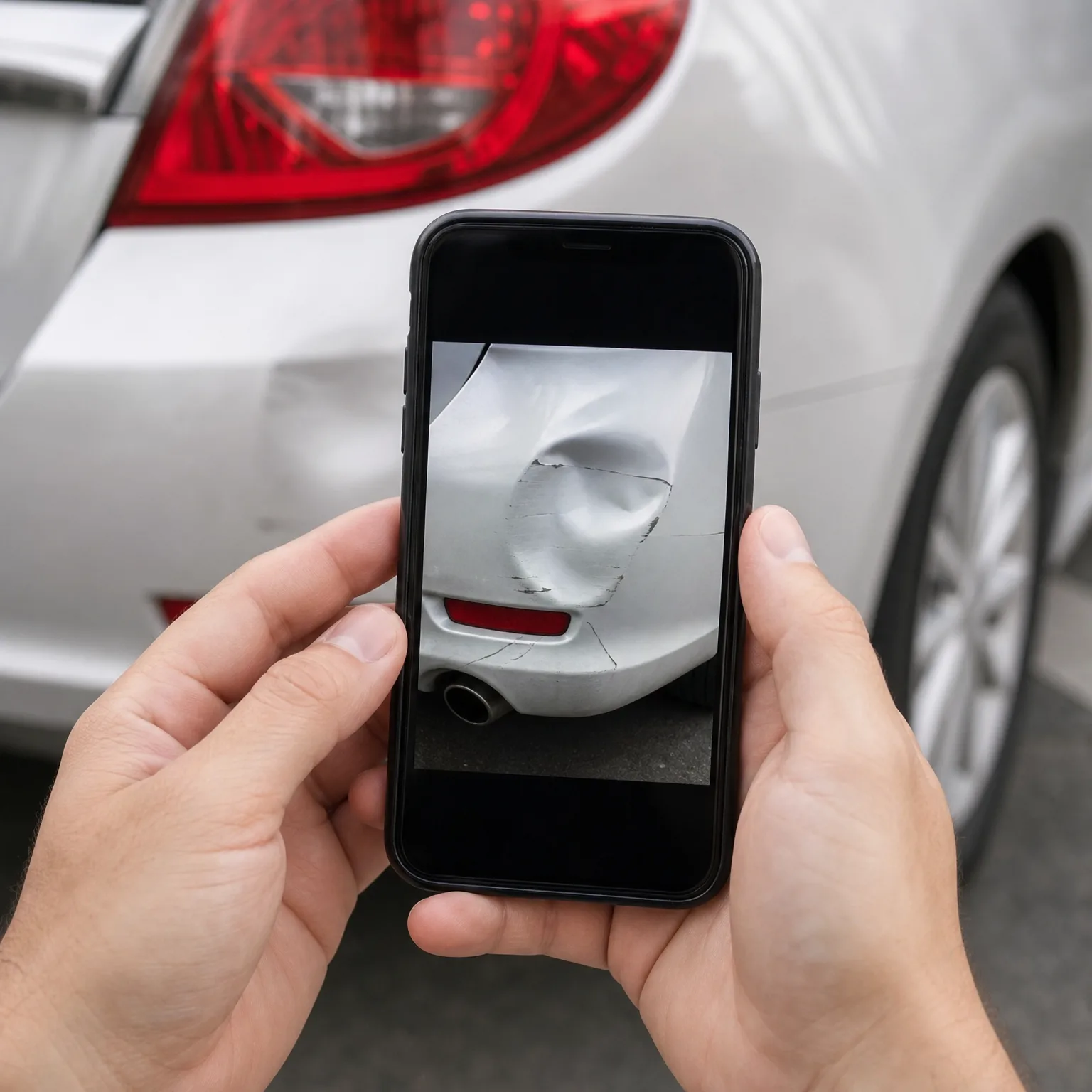
What actually matters before you test drive
- Confirm who's covering you Ask the dealer directly if their insurance covers test drives, since most do but terms differ. For a private seller, ask about their policy and whether it extends to you.
- Check your own policy's reach Some personal auto policies cover you driving a borrowed or test car with permission. Call your insurer before the test drive if you're unsure, not after.
- Longer drives need more care An overnight or extended test drive is treated differently than a quick loop around the neighborhood. Ask the dealer what's expected if you're keeping the car more than a few hours.
- Private sales carry more risk Without a dealer's policy behind it, a private seller's car may be thinly insured or not insured for you at all. Get clarity in writing or by phone before you drive.
- Buying day is a different moment The second you own the car, dealer coverage stops applying. Have your own insurance ready to start that same day, not the test drive day.
Once you know what covers you now and what you'll need on buying day, compare quotes to have your own policy ready.
Confirming coverage before you drive
If you do
You ask the dealer or seller who's responsible if something happens, and you call your own insurer to check if you're covered too. If there's a gap, you know before you're on the road, and you can decide whether to wait, ask for terms in writing, or add temporary coverage.
If you don't
You assume someone else has it handled and drive without checking. If there's an accident, you may find out only afterward that coverage was unclear or didn't apply to you, leaving you responsible for costs you didn't expect and didn't plan for.
A buyer test driving a private seller's car
Someone found a car through a private listing and arranged to test drive it on a weekend. Before meeting the seller, they called their own insurer to ask whether their personal policy would extend to driving someone else's car with permission. Their insurer confirmed limited coverage applied in that situation, but only for a short drive, not an extended loan of the vehicle.
They also asked the seller directly whether their insurance was active and would respond if anything happened during the test drive. The seller confirmed it was. With both sides checked, the buyer took a short test drive around the block and a nearby highway stretch, stayed within the time frame their insurer had described, and avoided taking the car home overnight. When they decided to buy, they had already lined up their own policy to start the same day the sale closed, so there was no gap between the test drive and ownership.
Test drive and purchase are separate insurance moments. Assuming one covers the other is the costly mistake.