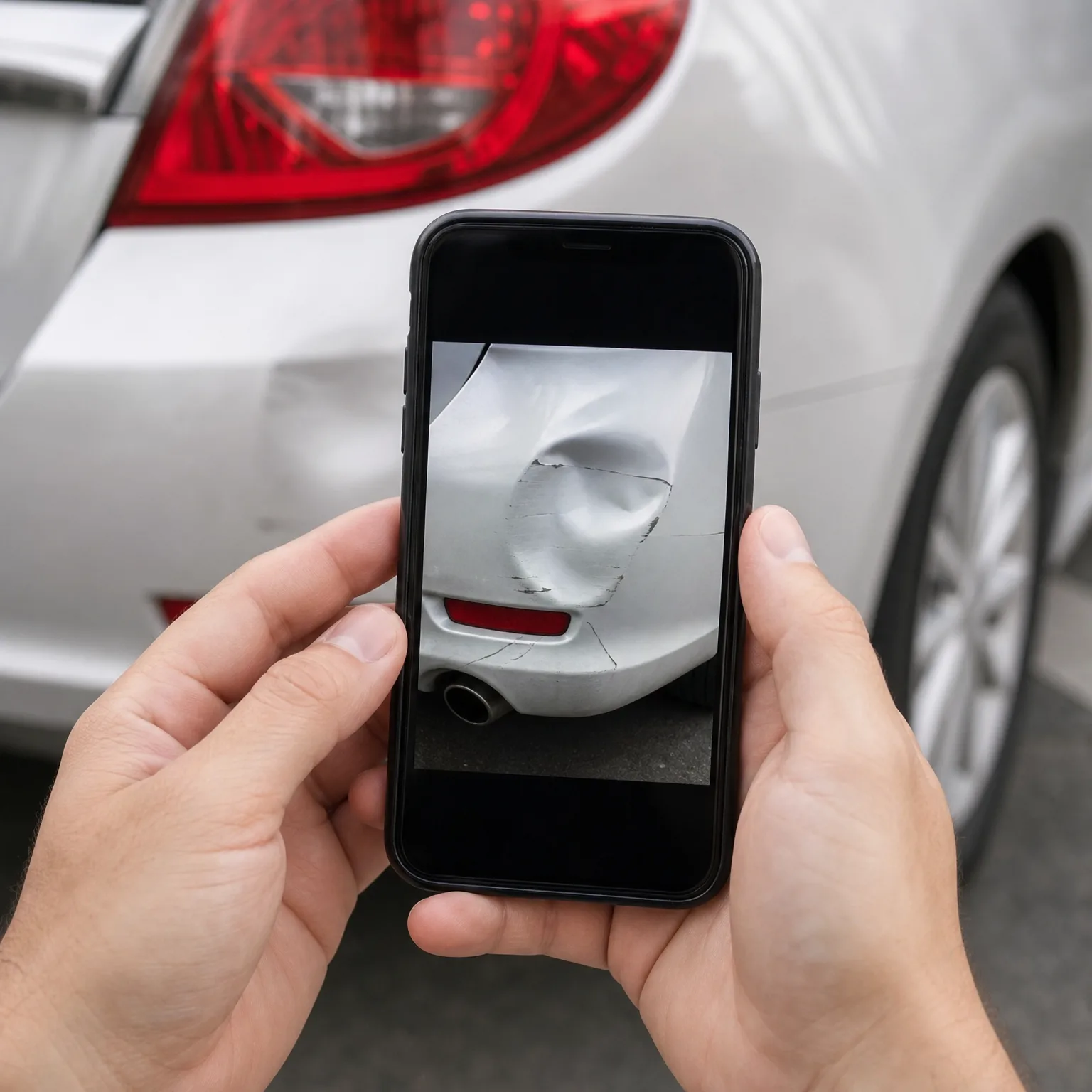
What Happens if You Scratch a Car on a Test Drive
Whoever owns the car's policy usually pays first, and your own insurance can back it up depending on how you're driving and whose car it is.
The owner's policy almost always answers first
A car carries its own insurance wherever it goes, and that doesn't change just because someone else is behind the wheel for a few minutes. So if you scratch a dealer's car or a private seller's car during a test drive, the first place a claim usually lands is that car's own policy, the one the dealer or the seller already has on it.
Your own auto policy can still matter, though, and here is where it gets less uniform. Many personal auto policies extend some coverage to a car you're driving with the owner's permission, treating it almost like a backup layer behind the owner's insurance. Whether that's true for you, and how much it covers, depends on your insurer and your specific policy, so this is worth a direct check before you ever get behind the wheel of someone else's car.
Dealers complicate this a little differently than private sellers. Many dealerships carry garage liability or dealer coverage meant to protect exactly this kind of situation, a customer driving their inventory. A private seller usually just has their regular policy, with no special test drive provision at all, which means a scratch during a private sale test drive can turn into a more personal, more awkward conversation about who pays.
The outcome also depends on how the scratch happened. If you were driving carefully and something outside your control caused the damage, that's handled differently than if you were driving recklessly or using the car in a way you weren't supposed to. Fault still matters here, just like in any other claim, and insurers will ask about it.
Who actually pays for a scratch from a test drive, you or them?
In most cases, the car's own insurance, the dealer's or the private seller's, is the first one asked to pay, since the policy follows the car. You typically only become the primary payer if you weren't an authorized driver, if the damage came from something reckless or against the agreed terms, or if the owner's policy denies the claim for some reason.
That said, outcomes vary by insurer and by state, and dealers in particular may have their own internal policy about who pays for minor damage regardless of what insurance technically says. Ask before you drive, not after, so you know exactly where you stand if something happens.

Knowing whose policy pays first, compare quotes that make sure your own coverage backs you up too.

Ask about test drive coverage before you get in
If you do
You learn upfront whose policy pays for damage, whether the dealer's coverage applies, and what your own insurer expects of you. If something happens, you already know who to call first and what you're responsible for, so there's no scramble or guessing under stress.
If you don't
If a scratch happens, you're left figuring out coverage in the moment, often while the dealer or seller is upset and pushing their own version of who's responsible. You may end up agreeing to pay for something your insurance would have covered, simply because you didn't know to ask.
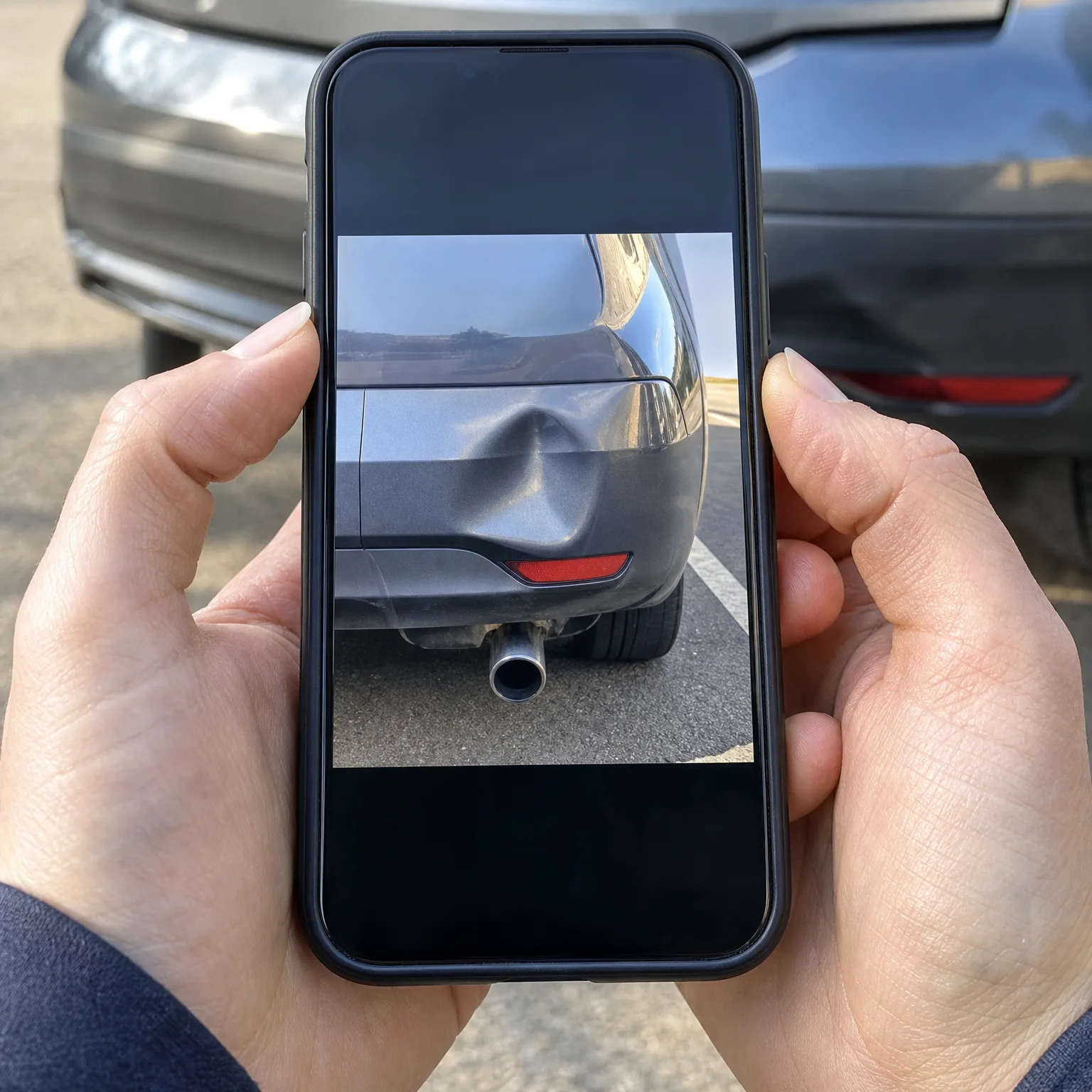
What actually determines who pays for the scratch
- Whose car it is The car's own policy is usually asked to pay first, whether it's a dealer's or a private seller's. Confirm this is true in your state before assuming it.
- Your own policy as backup Some personal auto policies extend partial coverage to cars you drive with permission. Call your insurer and ask directly rather than assuming you're covered.
- Dealer versus private seller Dealers often carry coverage built for test drives, private sellers usually don't. Ask a private seller directly what happens if the car is damaged before you drive it.
- How the damage happened Careful driving versus reckless driving changes who's responsible for the scratch. Be honest about the circumstances, since this shapes what any policy will actually pay.
- Get it in writing first A verbal agreement about damage responsibility is hard to enforce later. Ask the dealer or seller for a quick written note on how damage during the test drive is handled.
The real risk isn't the scratch, it's test driving without ever asking whose insurance actually covers it.