Checking Insurance Costs Before You Buy
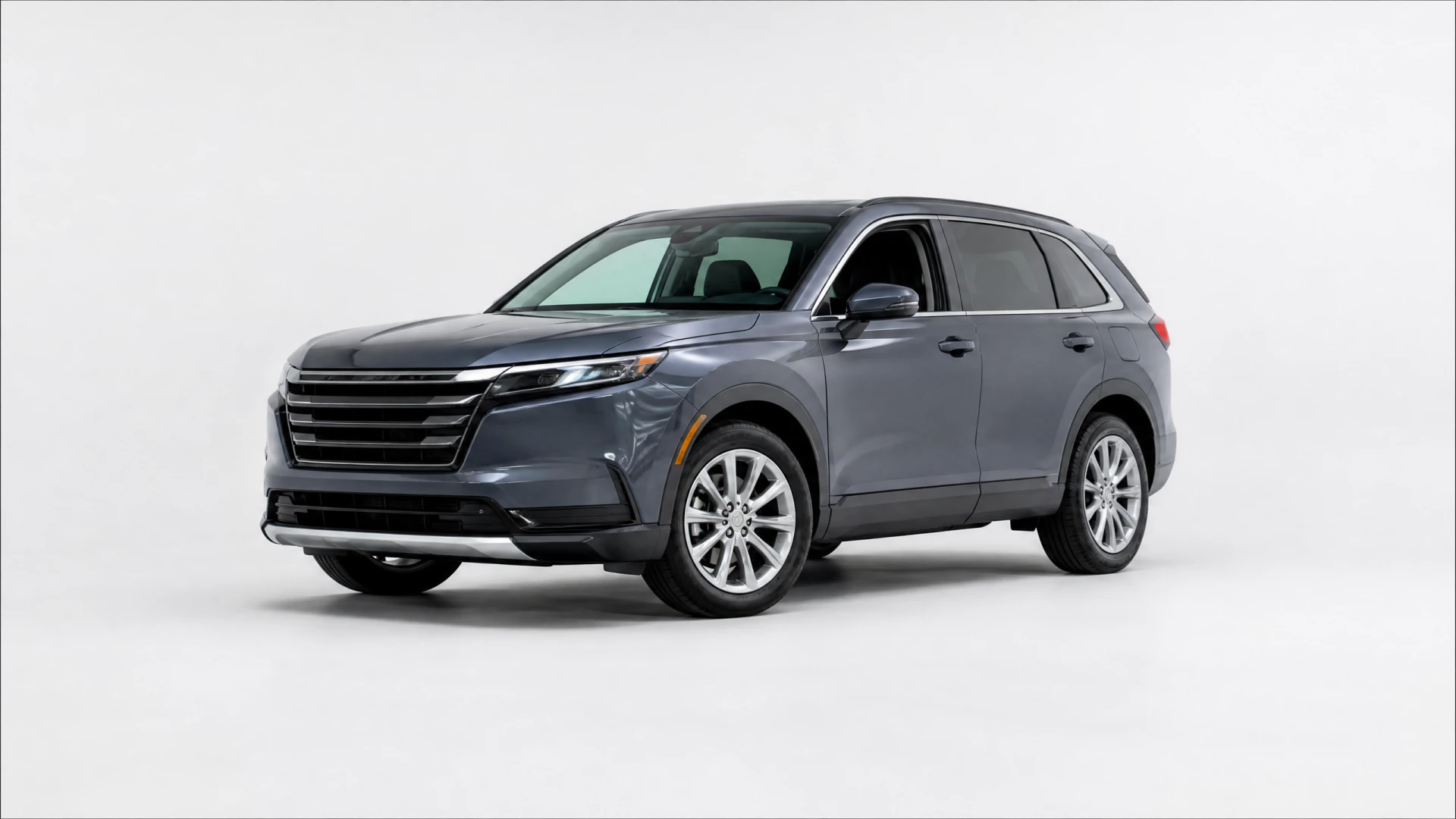
Get a quote on the specific car before you agree to buy it, using the seller's VIN, so the price has no surprises.
The price depends on the car, you, and where you live
Insurers price a policy around three things: the car itself, your own driving record and age, and the place you keep the car. The car's year, make, model, and trim change the cost because they change what it costs to repair or replace the car and how often cars like it get into claims. That's why two cars that look similar in price at the lot can carry different insurance costs once you ask for a quote.
The VIN matters because it identifies the exact trim and features, not just the model name. A base model and a loaded version of the same car can have different safety equipment, repair costs, and theft rates, and insurers price those differences separately. Asking for a quote with the make and model alone gives you a rough number. Asking with the VIN gives you the real one.
A car's history can also move the price, though not always the way people expect. A car that was in a past accident and properly repaired usually prices the same as one that wasn't, since insurers are pricing the car going forward, not its past. What matters more is whether the title is branded, meaning it was declared a total loss at some point, because that can limit coverage options or change the payout if something happens to the car later.
Where you live changes the price too, since insurers price risk by location, including things like local accident rates and how common theft or severe weather is in your area. This varies by state and by insurer, so the only way to know your real number is to run the quote with your own address and driving record attached to that specific car.
The short version
Get a quote using the car's VIN before you commit to buying it, because the exact trim and features change the price more than the model name does. Do this while you're still deciding, not after you've already agreed to a price. That way the insurance cost is part of your decision, not a surprise after.
What actually changes the price
- The VIN, not just the model Trim level and installed features change repair costs and theft rates. Always quote the specific VIN the seller has, not a generic version of the car.
- Your driving record Your own history matters as much as the car. If you're unsure how your record looks, check it before you shop so the quote reflects reality.
- A branded title If the car was ever declared a total loss, the title may be branded, which can limit coverage or affect value later. Ask the seller directly and confirm with a vehicle history report.
- Where you'll garage it The address you garage the car at affects the price, and this varies by state and insurer. Use the address you'll actually use, not a temporary one.
- Your coverage level A full quote should include the coverage level you intend to carry, not just the minimum. This gives you the real number to compare against the car's price.
Now that you know what to check, compare quotes on this exact car before you finalize the purchase.
Will a past accident on the car's history make my insurance cost more?
Not usually, as long as the car was properly repaired and the title is clean. Insurers price the policy around the car's current condition and specifications, not a documented and repaired accident in its past. What they're pricing is the risk going forward, meaning how likely a car like this is to be in a claim and how much it costs to fix or replace.
What does change the price, or can limit your options entirely, is a branded title. That happens when the car was declared a total loss at some point, even if it was later repaired and resold. A branded title can mean certain coverage types aren't available or that the payout is capped differently if something happens to the car later. Ask the seller directly whether the title is branded, and confirm it yourself with a vehicle history report before you commit to the purchase.

How fast can I get insurance on a car I'm buying today?
Most insurers can issue a policy the same day, often within minutes, once you give them the VIN and your information. This is standard practice since people frequently need coverage in place before they can legally drive the car home. Have the VIN ready ahead of time so you're not waiting on the seller or dealer while the quote is running. Confirm with the insurer exactly when coverage starts, since some policies begin immediately and others begin at a set time you choose.
Do I need full coverage on an older used car?
It depends on the car's value and whether you could afford to replace it without insurance help. Full coverage protects the car itself, while liability only covers damage you cause to others. If the car is worth relatively little, the cost of full coverage may not be worth it compared to what you'd receive in a claim. If you're financing the car, the lender will likely require full coverage regardless of the car's age, so check your loan terms before deciding.
What does a lender require for insurance on a financed car?
Lenders typically require full coverage, including both collision and comprehensive, to protect the car that's securing the loan. They may also require you to list them on the policy so they're notified of any changes or lapses. This requirement comes from the loan agreement itself, not from state law, so check your specific contract for the exact coverage levels required. Confirm this before you finalize financing, since it affects what your actual insurance cost will be.