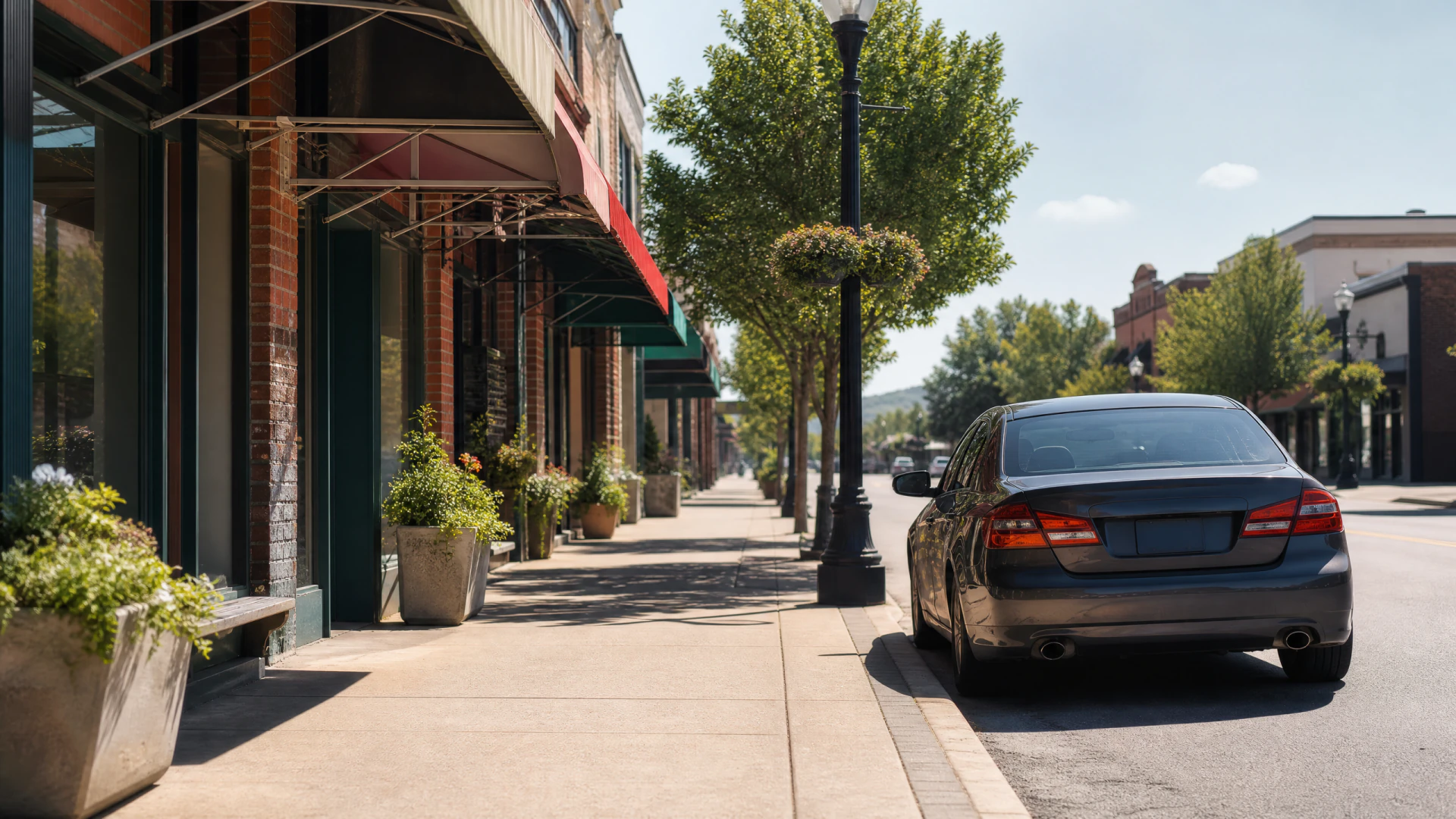
Insuring a Used Car
A used car gets insured the same way any car does, but you need the policy active before you drive it off the lot or the seller's driveway.
Age and price don't change how coverage works, only how much you need
Insurance doesn't ask whether a car is new or used. It asks what the car is worth, how much it would cost to replace or repair, and who is driving it. An older car and a car bought last month follow the same rules. What changes is the math behind the price and the decision about how much coverage makes sense.
Liability coverage, the part that pays for damage you cause to others, is required almost everywhere regardless of the car's age or value. That part of the decision is simple. The harder call is whether to add coverage for damage to your own car, because that coverage is worth less on a car that's worth less. Once a car's value drops low enough, the payout in a bad claim can be smaller than what you'd pay in premiums over the years you carry it.
A used car's history also matters in a way a new car's doesn't. A car that's been in a prior accident or had frame damage can cost more to insure, because insurers price the car in front of them, not just the make and model. This is one of the few places where it genuinely pays to ask for the car's history report before you commit to a price or a policy.
Where this gets specific to your state or insurer is in the details, how long you have to insure a new purchase before the paperwork catches up, what the state requires as a minimum, and whether a lender is involved and sets its own floor. Check those specifics directly rather than assuming they match a car you've insured before.
What actually changes when the car is used, not new
- Full coverage math shifts Full coverage pays out based on the car's value, so on an older car the payout shrinks. Compare what you'd pay in premium over time to what the car is actually worth before adding it.
- History affects the price A car with a prior accident or damage can cost more to insure even if it looks fine now. Ask the seller for a vehicle history report before you agree on a price.
- Coverage has to start on time You need a policy in place before you drive the car away, not after. Get a quote and have coverage ready to activate the same day you plan to take the car.
- Private sales skip dealer help A dealer usually walks you through insurance and paperwork, a private seller won't. You'll need to handle the policy and the title transfer yourself, so start the insurance call before the sale, not after.
- A lender sets its own floor If you're financing, the lender will require a minimum level of coverage to protect the loan. Ask the lender directly what they require before you shop for a policy, since it may be more than your state requires.
Do I need full coverage on an older used car?
Not automatically. Full coverage makes the most sense when the car is worth enough that repairing or replacing it would be expensive. On a car that's lost a lot of its value, the most you could collect in a claim may be close to what you'd spend on premiums over time, which makes the coverage a weak trade.
The decision comes down to two numbers only you can weigh, what the car is actually worth right now and what you could afford to lose if it were totaled tomorrow. If replacing the car would be a real financial hit, full coverage still earns its keep. If you could absorb that loss without much trouble, liability alone may be the more rational choice. If you're financing, the lender decides this for you until the loan is paid off.
Once you know what coverage this car actually needs, compare quotes to find it at the best price.

Getting coverage active before you drive it home
If you do
You call for a quote before you finalize the sale, get the policy active the same day, and drive home legally covered. If the car turns out to have hidden history, you find out from the insurer's quote instead of after a claim, while you can still walk away or renegotiate the price.
If you don't
You drive home uninsured and hope nothing happens, which is both illegal almost everywhere and risky if you're in even a minor accident. If the seller finds out later the car wasn't covered at the time of sale, disputes over the title transfer or the deal itself get harder to sort out.
How fast can I get insurance on a car I just bought?
Most insurers can issue a policy and have it active within the same call or session, often within minutes once you give them the car's details and your information. The paperwork and card may arrive later, but coverage itself can start immediately. What varies is how quickly you can get the title and registration lined up afterward, since some states require proof of insurance before you can register the car, so check your state's order of operations before the sale closes.
Does a used car's accident history actually raise my insurance price?
Yes, it can, because insurers price the specific car, not just the model year. A car with prior frame damage or major repairs is viewed as a higher risk even after it's fixed, since repaired damage can affect safety and resale value. Not every insurer weighs this the same way, and a clean repair with documentation may matter less than an undisclosed one. Ask for the vehicle history report before you buy, and mention any past damage when you get your quote so the price you're shown is accurate.
What happens to my insurance if the used car fails inspection after I buy it?
Your insurance stays active regardless, since coverage isn't tied to inspection status, but you may not be able to legally drive or register the car until it passes. This becomes a dispute between you and the seller, not the insurer, especially in a private sale with no dealer guarantee. Check your state's inspection requirements before buying and ask the seller directly whether the car currently passes, since this affects negotiating power on price.