Used Car Insurance vs New Car Insurance
A used car needs the same insurance steps as a new one, but what coverage makes sense for it usually looks different.
Why the car's age changes the math, not the process
The mechanics of getting insured are identical whether the car is new or used. You still need a policy in place before you drive it, and your insurer still needs to know the make, model, year and how you'll use it. What changes is the reasoning behind each choice you make on that policy.
With a new car, full coverage usually makes sense because the car is worth a lot and repairing or replacing it after an accident would cost real money. With a used car, especially one that's older or has higher mileage, the math shifts. If the car is worth less than what you'd pay over time for comprehensive and collision, carrying only liability can be the more sensible choice. There's no fixed age or mileage where this flips. It depends on the car's actual value and what you could afford to replace it with out of pocket.
A used car's history also plays into pricing in a way a new car's doesn't. A car that's been in a prior accident, even if repaired well, can affect what it's worth and sometimes how an insurer prices it. This is worth checking before you buy, not after, since it can change your decision on the car itself.
If you're financing the used car, the lender will set a floor on what coverage you carry, usually requiring both comprehensive and collision until the loan is paid off. That requirement doesn't care whether the car is new or used, it cares about protecting the loan. If you're paying cash, that decision is entirely yours to make based on the car's value and your own risk tolerance.
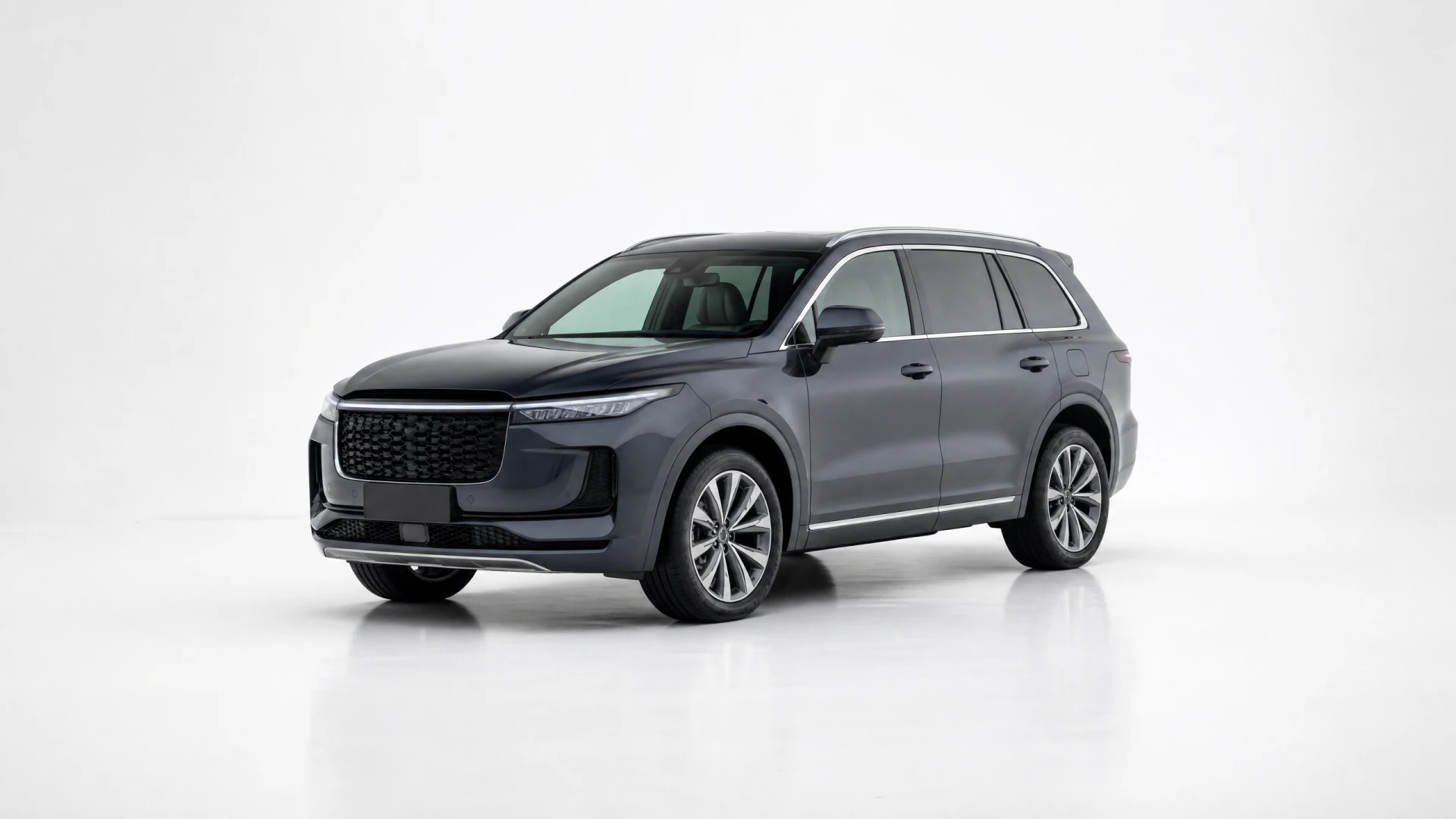
The short version
Used car insurance works the same way new car insurance does, but the coverage that makes sense often doesn't. Decide what the car is worth to you, check if a lender requires certain coverage, and get the policy active before you drive it home.
Buying an older sedan from a private seller on a weekend
You find a car through a classified listing, agree on a price with the seller, and plan to drive it home that afternoon. Before meeting up, you call your insurer and ask them to add the car to your policy, giving them the VIN and mileage. Because the car is older and paid in cash, you choose liability only, since the cost of comprehensive and collision over a few years would outweigh what the car is worth if it were totaled.
At the sale, you and the seller fill out the title transfer together, and you confirm your policy is active before you leave the lot. A few months later you get rear-ended at a stoplight. Because you only carry liability, the damage to your own car isn't covered, but the other driver's insurance pays for it since the accident was their fault. Knowing that tradeoff going in made the outcome unsurprising rather than a shock.
Once you know what coverage this car actually needs, compare quotes to see what it costs to get there.

Whether you check the car's accident history before buying
If you do
You find out if the car was in a prior accident, which can affect its real value and sometimes its insurance pricing. You go into the purchase and the insurance conversation with accurate expectations, and you can negotiate the price or walk away if the history changes your mind.
If you don't
You could end up paying for a car that's worth less than you think, and get surprised later when an insurer or a future buyer flags the history. You're also stuck making coverage decisions based on a value that may not hold up.
Does a used car with high mileage cost more to insure than a new car?
Not usually because of mileage alone, insurers care more about the car's value, safety record and repair costs. A high mileage used car is often cheaper to insure than a new car simply because it's worth less, so a total loss costs the insurer less. What can raise the cost is if the model has a poor safety or theft record, regardless of mileage. Check the specific model's history, not just its age or miles, since those vary a lot by make.
Can I get temporary insurance just to drive a used car home?
Some insurers can activate a policy same day over the phone, which covers you for the drive home without needing a separate temporary policy. Whether this is available depends on the insurer, so call before you finalize the purchase to confirm they can bind coverage immediately. If they can't, ask what documentation they need in advance to speed up the process. Driving home without any confirmed coverage is a real risk, so don't assume it's fine until you've checked.
Do I need gap insurance on a used car I'm financing?
It depends on how much you still owe compared to the car's actual value, which drops faster for used cars in some cases. If you financed close to or above the car's current value, gap coverage can protect you if it's totaled and the payout doesn't cover the loan. Ask your lender or insurer what the car is worth now versus what you owe. If there's little or no gap, this coverage may not be worth adding.
The real question isn't whether you're insured, it's whether the coverage fits what this car is worth.