Does Your Insurance Go Up if You Buy a Used Car
Yes, your rate will likely change, because insurers price the specific car you're replacing it with, not just the fact that you own a car.

Trading a wrecked sedan for an older SUV
A driver's old sedan was totaled, and they found a replacement SUV a few years older than their last car, priced well below what they'd paid before. They assumed the lower price tag meant a lower premium and called their insurer mainly to get the new car added before driving it home.
The quote came back higher. The SUV had a worse history of claims for its model and cost more to repair after a collision, even though it was cheaper to buy. The driver asked what would bring the number down and was dropping comprehensive coverage since the car's value didn't justify it. They also compared that quote against two other insurers before deciding, since the difference between them was larger than they expected for the same car and the same driver.
What if the new car raises my rate more than I can afford?
You have options besides walking away from the car. Start by asking what's driving the increase, since it's usually tied to specific factors like repair costs, theft rates, or safety ratings for that model, not something fixed about the car forever.
From there, you can adjust the coverage itself. Raising your deductible lowers the premium in exchange for paying more out of pocket if something happens. Dropping comprehensive or collision makes sense on an older car with low value. And because pricing for the same car varies by insurer, getting quotes from a few before you commit to one often finds a meaningfully lower number without changing the coverage at all.
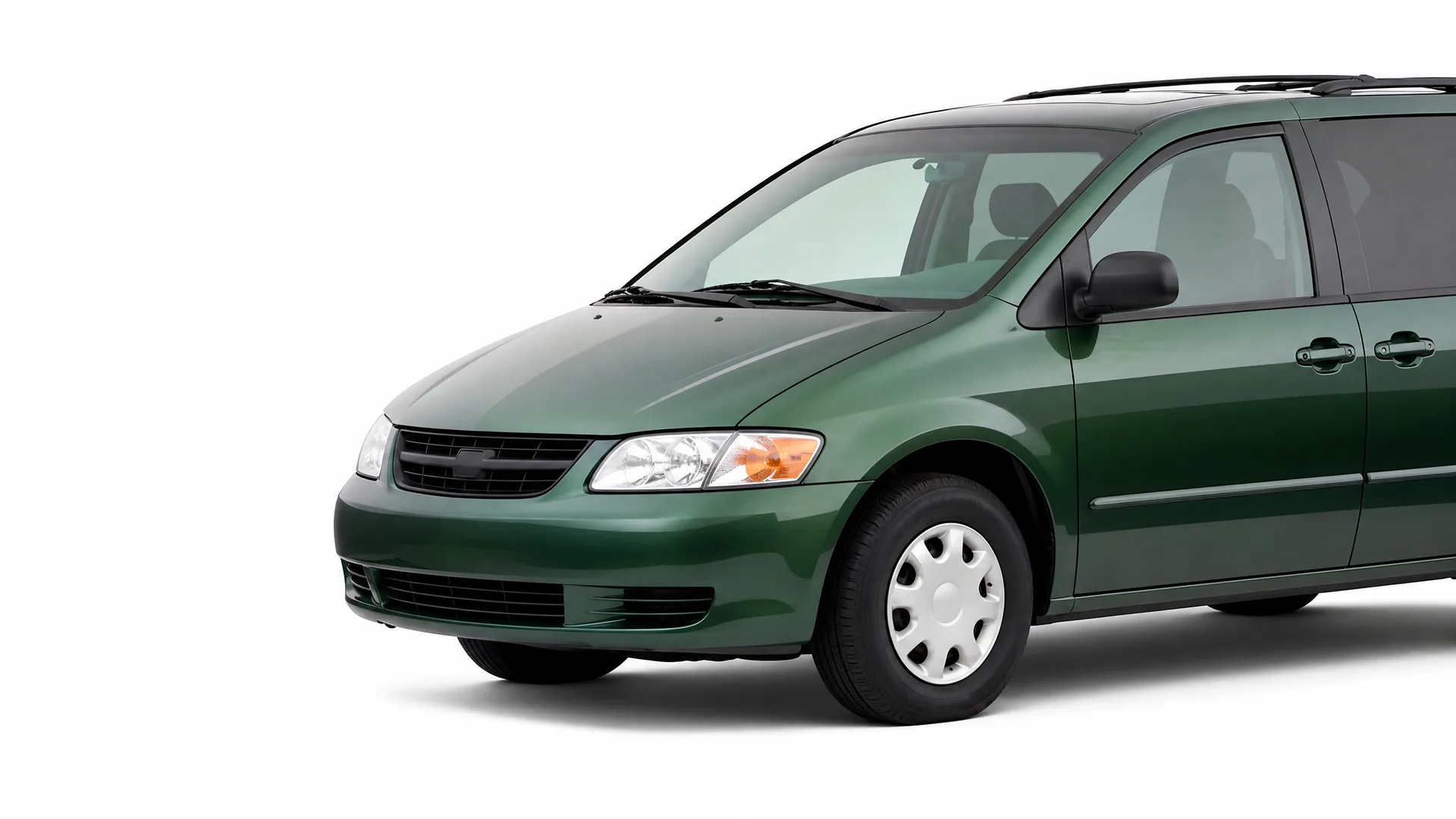
The price tag you paid for the car has little to do with what it costs to insure.
Get quotes for the specific car you're buying so you know your real rate before you commit to coverage.
What actually moves your rate on a used car
- Repair cost for that model Some cars are expensive to fix even when they're cheap to buy, often because of parts or labor specific to the make. Ask your insurer directly how this model is rated before you finalize the purchase.
- Theft and claim history Certain models get stolen or damaged more often than others, which raises what everyone pays to insure them. This is specific to the model and year, so don't assume an older car is automatically safer to insure.
- Coverage you choose to carry Full coverage costs more than liability alone, and whether it's worth it depends on the car's value, not its age alone. Decide this before you call for quotes so you're comparing the same coverage across insurers.
- Your own driving record Nothing about buying a different car changes your history behind the wheel. If your rate moves a lot more than the car alone explains, ask your insurer to walk through exactly why.
- Where you live and drive Rates vary by state and even by area within a state, so what a coworker pays for the same car tells you little. Check your own quote rather than relying on someone else's number.
Why the price you paid isn't what sets your premium
Insurers price risk, not purchase price. What they're really asking is how likely this car is to be in a claim and how much that claim would cost to settle. A used car that's cheap to buy can still be expensive to repair, attractive to thieves, or statistically more often involved in accidents for its model, and any of those pushes the premium up regardless of what you paid at the lot or to the seller.
This is why two people can buy cars at the same price and get very different quotes. The dollar amount you handed over reflects negotiation, mileage, and condition. The insurer's number reflects data about that make and model across many drivers, combined with your own history. Those two things move independently of each other most of the time.
Age works in your favor in one specific way. Older cars are usually worth less, so carrying comprehensive and collision coverage on them makes less financial sense, since the payout if the car is totaled is capped at its value. Dropping that coverage is often the biggest lever you have to lower the cost of insuring a used car, bigger than almost anything else about the car itself.
Where this plays out differently is with specialty or performance vehicles, where age doesn't reduce risk the way it does for an ordinary sedan or SUV. A car that's old but rare, powerful, or expensive to service can still carry a high premium well after its purchase price has dropped. If your used car falls into one of those categories, don't assume age alone will bring your rate down.
How fast does insurance kick in on a car I just bought?
Most policies extend some coverage automatically for a short window after you buy a car, but that window and what it covers varies by insurer and by your existing policy. Call before you drive it home rather than assuming you're covered, especially if you're buying from a private seller with no dealer involved. Ask specifically what applies during that window, since it's often less coverage than your full policy.
Does a car's accident history affect my insurance rate?
It can, mainly if that history led to frame damage, a salvage title, or other issues that affect repair cost or safety. A single minor accident with full repair usually doesn't flag anything for insurers the way it might affect resale value. Pull a vehicle history report before buying and ask your insurer directly if anything in it changes your quote.
What does a lender require for insurance if I'm financing the used car?
Lenders typically require comprehensive and collision coverage at a minimum, not just liability, to protect the car that's collateral for the loan. The exact minimums and whether gap coverage is required varies by lender, so ask them directly before you shop for a policy. Buying coverage that doesn't meet their requirement can delay or complicate closing the loan.