What Is Structural Damage on a Car
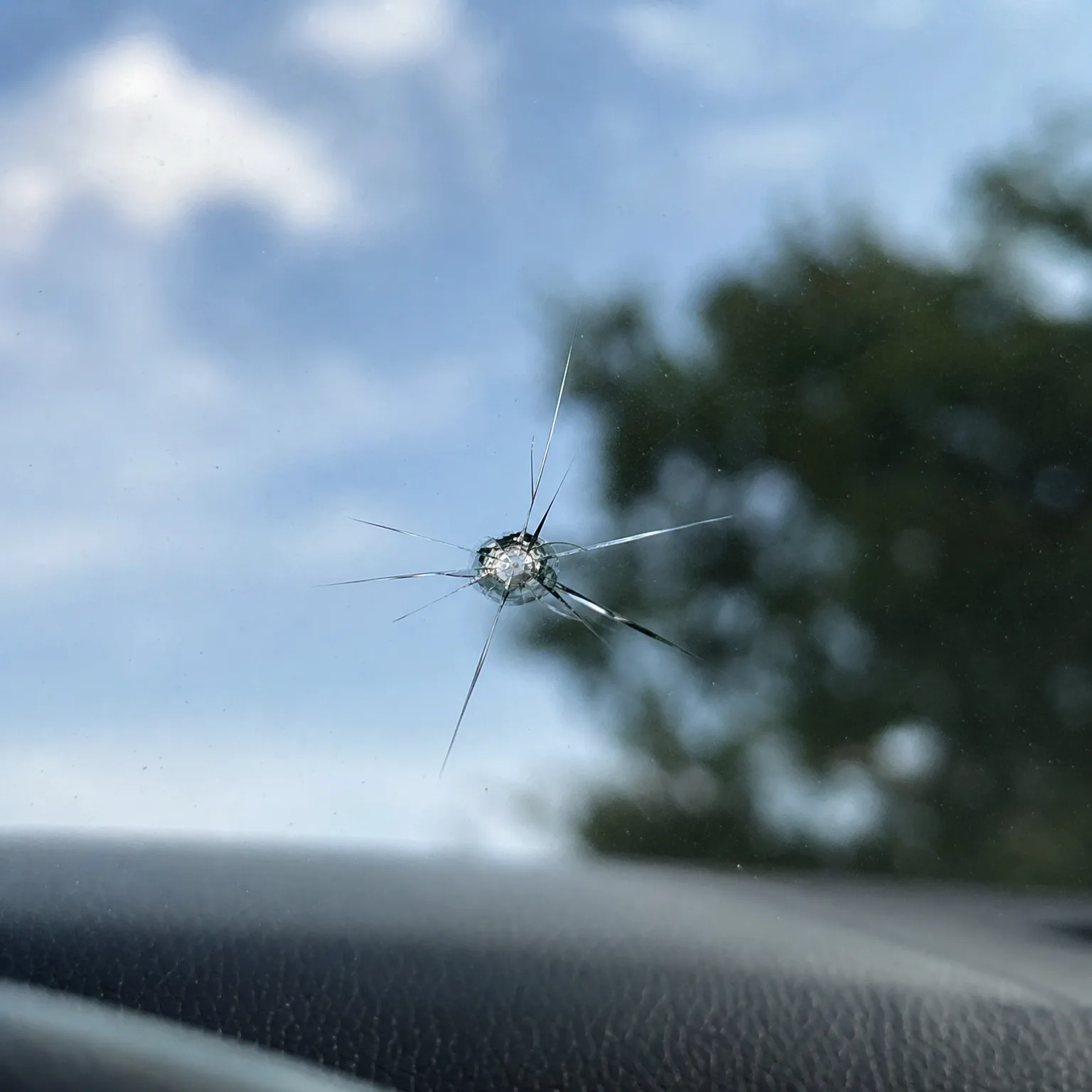
Structural damage means the car's frame or load-bearing frame rails were bent or cracked, not just the body panels.
What counts as structural damage and what to do about each kind
- Frame or unibody damage This is the car's skeleton, the part that holds everything together and absorbs crash force. Ask for the repair shop's frame measurements or a body shop inspection before you buy.
- Bent frame rails These are the rails under the car that crumple to protect passengers in a crash. Once bent and straightened, they rarely return to full strength, so get a mechanic to check alignment.
- Cracked or welded unibody Many newer cars use a unibody instead of a separate frame, and a crack here affects the whole structure. A weld repair can look fine but still weaken the car, so ask who did the repair and with what equipment.
- Airbag deployment history Airbags deploying usually signals a harder hit, often with structural impact. Pull the vehicle history report and ask the seller directly if airbags went off.
- Branded or salvage title A title brand for structural damage follows the car and affects insurance and resale. Check the title status with your state's DMV before you commit to the purchase.
Will insurance even cover a car with prior structural damage?
Yes, most insurers will still write a policy on a car with repaired structural damage, but the car's value and your premium may reflect that history. The insurer looks at the car's current condition and market value, not just what happened before you owned it.
Where this gets tricky is total loss. If the car is ever in another accident, the insurer may total it sooner because its value is already lower from the prior damage. Some insurers ask about known structural history when you apply, so answer honestly since a mismatch between what you said and what the title shows can cause problems at claim time.
If you're financing, your lender may also require full coverage regardless of the car's history. Check with the insurer directly about how they treat previously damaged vehicles before you commit to the purchase, since this varies by company.

Whether you get a frame inspection before buying
If you do
A qualified inspection tells you if the repair was done right or if the car still has hidden weakness. You walk away with real facts, either confidence to buy or a clear reason to walk, and you avoid paying full price for a car worth less.
If you don't
You're trusting the seller's word or a clean-looking report that may not reflect the full repair history. You could end up owning a car that's worth less than you paid, harder to insure fairly, and less safe in a future accident.
Once you know the car's structural history, compare quotes to see how it actually affects your rate.

A car with a quiet repair history
You find a car from a private seller, priced lower than similar listings nearby. The seller mentions it was in a minor accident a couple years ago but says it was fixed and runs perfectly. You pull the vehicle history report and it shows an accident entry but no clear detail on severity.
You take the car to an independent body shop before deciding, not the seller's preferred mechanic. The shop finds a frame rail was replaced, not just straightened, and the weld work looks solid but the title was never branded despite the repair. You decide to buy, but you negotiate the price down to reflect the history and you call your insurer first to confirm they'll cover it without issue. The insurer agrees, noting the price you paid already reflects the car's reduced value, and your rate comes in close to what you expected for a car that age.
Why structural damage changes everything about a car
A car's frame or unibody is what absorbs crash energy and keeps the passenger compartment intact. Body panels are replaceable skin, but the structure underneath is what the whole car depends on for safety. When that structure is bent, cracked or welded back together, the car may look and drive fine but no longer performs the way it did when it was engineered.
This matters for insurance because value and safety are connected. An insurer prices a policy partly on what the car is worth and partly on risk, and a car with a structural repair history often carries both a lower value and a slightly higher uncertainty about how it would perform in another crash. That's not true for every repair, a professionally done repair on newer equipment can bring a car close to original spec, but there's no way to know that without inspection.
Where it varies is in how states and insurers define and disclose this history. Some states require a title brand for structural damage above a certain severity, others leave it to the seller's discretion, so always check your state's rules directly. Insurers also vary in how closely they ask about or verify prior damage when you apply for coverage, some rely heavily on vehicle history reports and others ask you directly.
The case where this works out differently is a car repaired immediately after a minor collision by a reputable shop with documented parts and alignment checks. In that case the structural integrity can be restored close to original, and the main lingering effect is on resale value rather than safety. The uncertainty is highest when the repair history is undocumented or done informally, which is exactly why asking questions before you buy matters more than the price tag.