Is Accidental Damage Covered by Car Warranty
No, a car warranty does not cover accidental damage, this is what your car insurance is for.
Warranties cover failures, insurance covers accidents
A warranty exists to fix things that break on their own, a part that wears out before it should or a system that fails because of a defect in how the car was built. That is the entire premise behind it. The moment an outside event causes the damage, a collision, a fallen branch, a shopping cart in a parking lot, you have left the territory a warranty was ever meant to cover.
Insurance works on the opposite premise. It exists specifically for sudden, external events, which is why collision coverage pays for crash damage and comprehensive coverage pays for things like weather, theft, or hitting an animal. These two systems were built to split the work this way, one for internal failure, one for external events, and that division holds true no matter who built the car or who sold you the warranty.
Where people get confused is when a warranty company sells something called extra protection or a vehicle protection plan. These products can sound like they overlap with insurance, but read the actual contract language and you will almost always find language excluding collisions, accidents, and anything caused by an outside impact. The name on the brochure does not change what the contract actually promises.
There are edge cases worth checking. If an accident damages a part and that same part later fails on its own, the warranty may cover the new failure but not the original accident repair. Some lenders or dealers also bundle a separate mechanical breakdown policy that reads differently than a factory warranty, so if you have one of those, check its exclusions specifically rather than assuming it behaves like a standard warranty.
A fender bender shows the split in practice
Picture a driver backing out of a grocery store lot who clips a concrete pillar, denting the rear bumper and cracking a taillight. Their car is still under the manufacturer's warranty, so their first instinct is to call the dealer and ask if it is covered. The service advisor explains plainly that warranty work only applies to parts that fail on their own, not damage from an impact, and that this kind of repair falls outside anything the warranty touches.
The driver then calls their insurance company instead and opens a collision claim, since the damage came from hitting an object while driving. The claim moves forward through the insurer's normal process, an estimate gets written, the body shop makes the repair, and the warranty is never part of the conversation again. The bumper and taillight get fixed through insurance, while the warranty stays exactly where it always was, ready to cover a mechanical failure if one shows up later, completely unrelated to this repair.

Filing through insurance instead of assuming warranty coverage
If you do
You get the right coverage applied the first time. The repair moves through the correct process, your insurer handles the estimate and payment, and you avoid a wasted call to the dealer or a denied claim. The car gets fixed without delay, and your warranty stays untouched for an actual mechanical issue later.
If you don't
You may call the dealer expecting warranty coverage, get turned away, and lose time before starting the real claim. Some people skip insurance entirely assuming nothing will be covered, and pay out of pocket for damage that was insurable. Either way, you end up paying more or waiting longer than you needed to.
Now compare quotes to make sure your collision and comprehensive coverage actually fit your car.
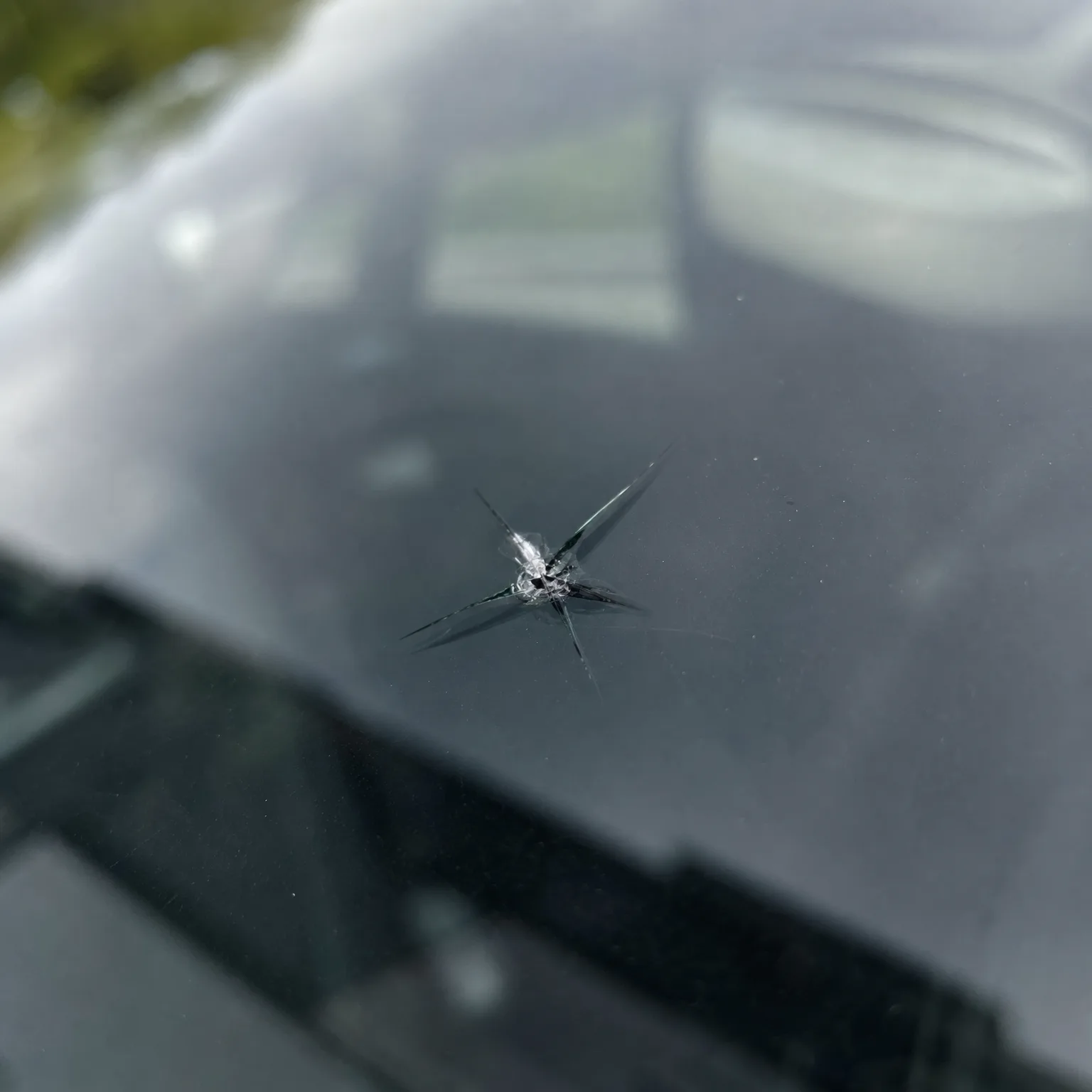
What to check before you assume either policy covers you
- Read the warranty exclusions Every warranty contract lists what it excludes, and accident damage is almost always named directly. Pull up your actual contract rather than relying on what a salesperson told you when you bought the car.
- Confirm your collision coverage Collision coverage is what pays for crash damage, and it is optional on most policies rather than automatic. Check your declarations page to see if you carry it and what your deductible is.
- Check comprehensive coverage too Comprehensive handles things like weather, theft, falling objects, and animal strikes, separate from collision. If you only carry liability, these events would not be covered by either your warranty or your policy.
- Separate warranty from insurance Extended warranties and vehicle protection plans often get marketed in ways that sound like they overlap with insurance. Read the contract language directly rather than assuming the name describes what it covers.
- Ask about prior damage If a part was already damaged in an accident and later fails, your warranty claim may be denied if the failure traces back to that repair. Keep records of past accident repairs so you can show the failure is unrelated.
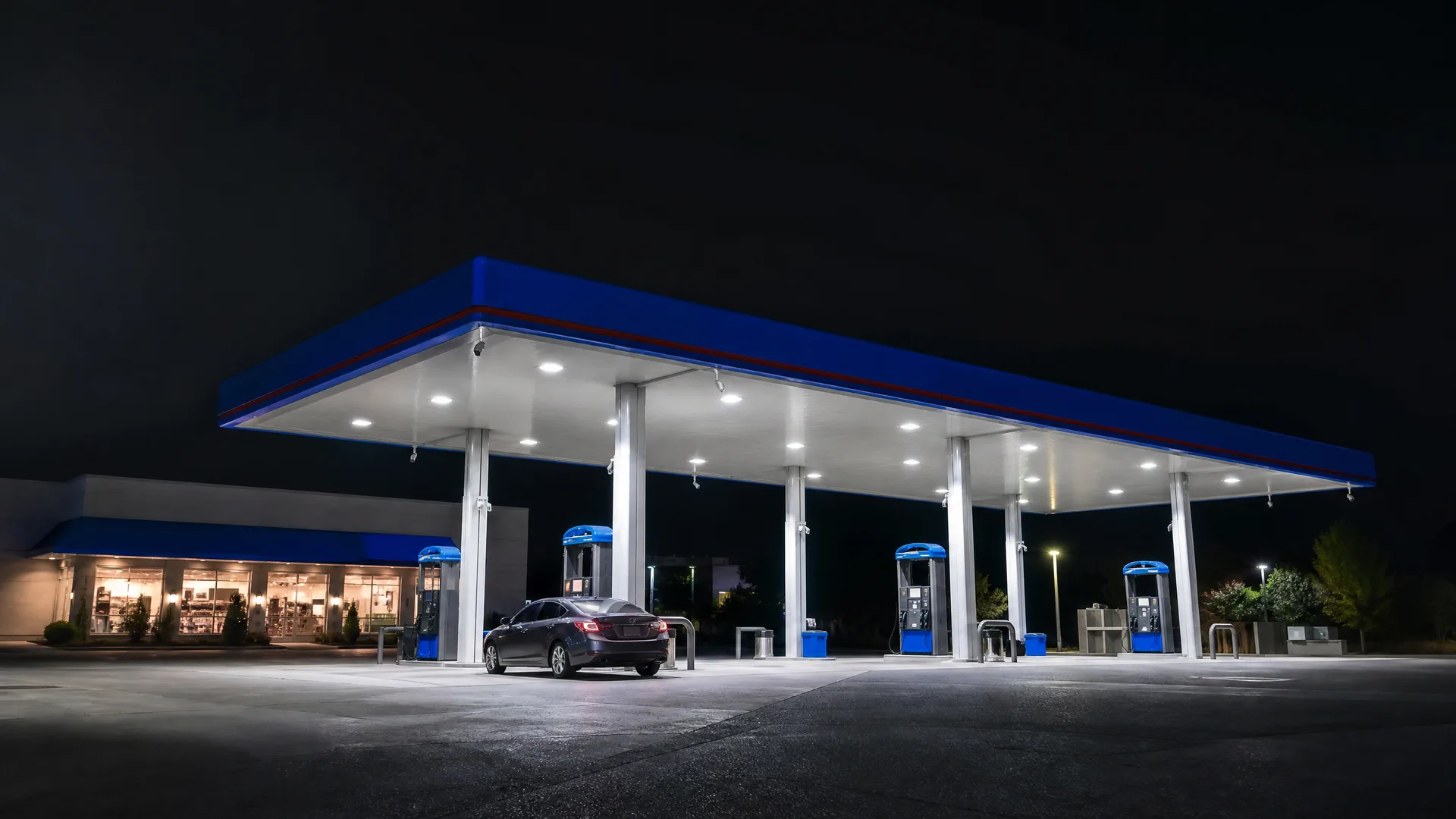
Does comprehensive insurance cover hitting a deer or pothole damage?
Yes, hitting an animal is typically a comprehensive claim, while pothole damage usually falls under collision since it involves impact while driving. Check which coverages you carry and your deductible for each, since they can differ. If you only carry liability coverage, neither of these would be covered, and the exact classification can vary slightly by insurer.
Will my insurance go up after an accident that wasn't my fault?
It depends on your insurer and your state, since some protect your rate after a not-at-fault accident and others don't automatically. Check your policy or ask your insurer directly how they handle fault determination. If another driver's insurance accepts fault and pays the claim, your own rate is less likely to be affected, but confirm this before assuming either way.
Can I get an extended warranty after my factory warranty expires?
Often yes, many providers sell extended coverage that starts after the factory warranty ends, though availability depends on the car's age and mileage. Check with the manufacturer, dealer, or third party providers directly, since terms and eligibility windows vary widely. Read the exclusions carefully, since these plans still won't cover accidental damage the way insurance does.