Used Cars With Prior Accidents
A prior accident doesn't change whether the car can be insured, but it can change what you pay and what's smart to carry.
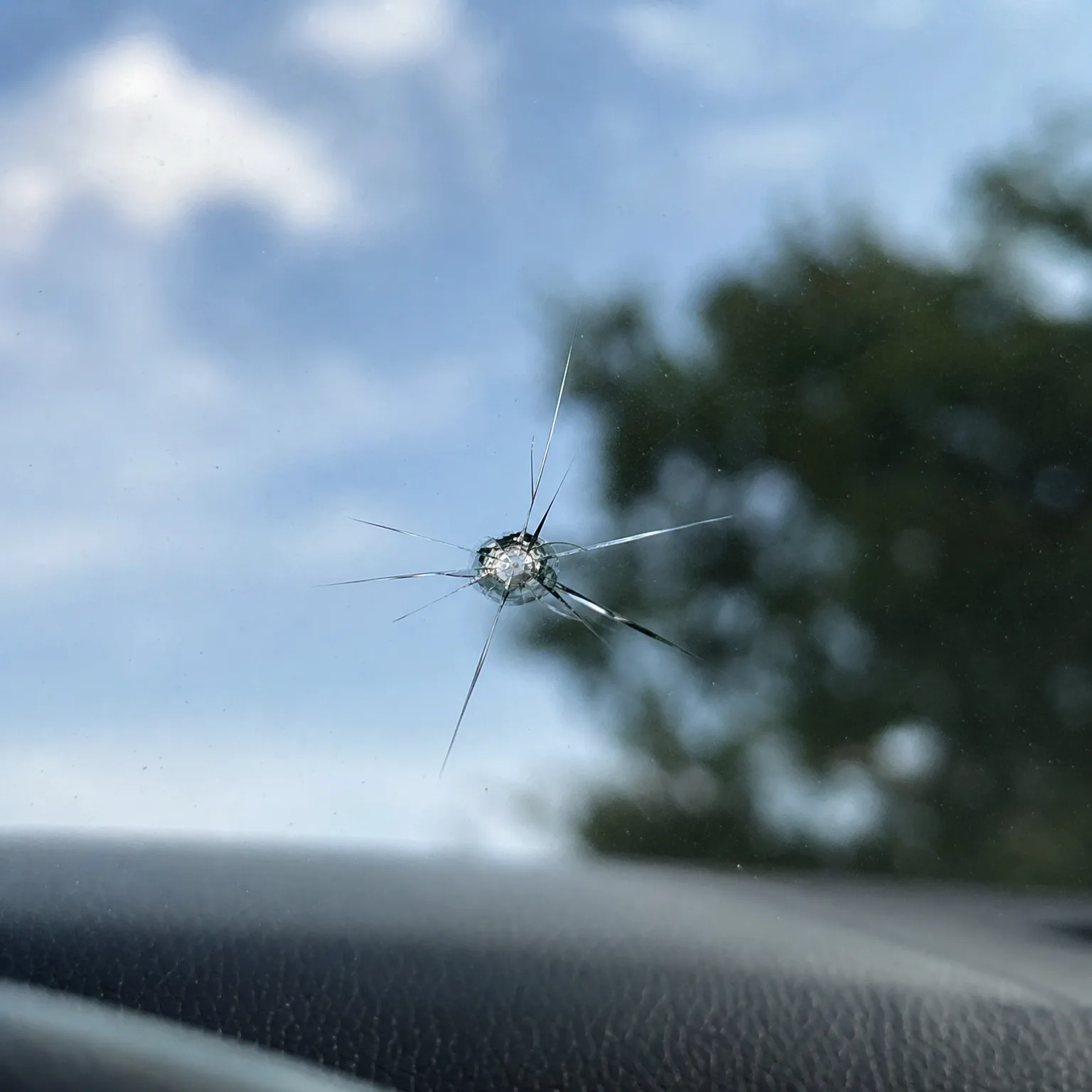
What a past accident actually changes about coverage
- Insurability isn't the issue A car with an accident in its history can be insured the same as any other. Insurers price the risk, they don't refuse the car over its past.
- Pull the history report first Get the vehicle's history report before you commit to a price. It tells you what was damaged and how badly, which matters more than the fact that something happened.
- Frame damage changes the math Structural or frame damage lowers the car's value and can affect what full coverage would pay out if it's ever totaled again. Ask the seller directly what was repaired and get documentation if you can.
- Weigh full coverage carefully Whether to carry full coverage depends on the car's worth now, not its original price. If the car is worth little, comprehensive and collision may not be worth the cost.
- Rebuilt titles differ If the car has a rebuilt or salvage title, some insurers limit what they'll offer or price it differently. Ask before you buy, not after.
Will my insurance cost more because the car had an accident?
It can, but not always for the reason people expect. Insurers care most about the car's current condition and value, not the fact that it was in an accident. If the repair was done well and the car's value wasn't reduced on paper, your rate may look like any comparable used car.
What tends to raise cost is the kind of damage. Frame or structural damage, or a rebuilt title, signals more risk and more uncertainty about the car's condition going forward. That can mean a higher rate or fewer insurers willing to offer full coverage.
The way to know for sure is to get quotes with the actual vehicle identification number before you buy. That number carries the car's real history into the quote, so you see the real price instead of guessing from the sale listing alone.
If the price surprises you, ask the insurer what specifically drove it. Sometimes it's the accident, sometimes it's just the car's age or your own driving record.

Buying the car without checking its accident history first
If you do
You find out about hidden damage after you own the car, sometimes from an insurer who prices it high or won't offer full coverage. You've already paid, and now you're negotiating with a seller who's gone or renegotiating your budget for repairs you didn't plan for.
If you don't
You pull the history report before you agree to a price. You know what you're buying, you can ask the seller informed questions, and you can get an insurance quote using the real vehicle identification number before you sign anything.
You know what the car's history means, so compare quotes using its real identification number.
Buying a sedan that had a reported collision two years earlier
You find a sedan from a private seller at a fair price. The listing mentions a prior accident, and the seller says it was minor, just a bumper replacement. Before agreeing to anything, you pull the vehicle's history report using the identification number. It confirms the damage was cosmetic, no frame or structural repair, and the car passed inspection afterward with no salvage title.
You take that information and get an insurance quote using the same identification number, before finalizing the sale. The quote comes back close to what you'd expect for a car of that age and value, nothing inflated by the accident itself. Knowing the cost ahead of time, you negotiate the final price slightly lower since the car's resale value was mildly reduced by the accident record, then complete the purchase with coverage already lined up for the day you drive it home.
Why the accident itself matters less than what it did to the car
Insurers aren't pricing the history, they're pricing the car as it exists today. An accident is only relevant to them as far as it changed the car's condition or value. A car that was repaired properly and holds its value drives the same risk as a car that was never in an accident, so the past event fades into the background.
What insurers actually weigh is harder to see from the outside. Frame damage, airbag deployment, and salvage or rebuilt titles are the things that change how a car behaves in a future claim and how much it's worth if it's totaled. Those factors can lower the payout you'd receive or raise the price of covering the car, regardless of how long ago the accident happened.
This is also where state rules and individual insurers start to differ. Some states require specific disclosures on a title after a car is declared a total loss, and some insurers simply decline to offer certain coverage on cars with a rebuilt title at all. Check your state's title branding rules and ask any insurer directly how they treat a rebuilt or reconstructed title before you commit to a purchase.
The cases where this works out differently usually involve incomplete information. A seller who doesn't disclose damage, a history report that doesn't catch everything, or a repair that looks fine but wasn't done to standard can all mean the car's real condition doesn't match what you were told. That's the actual risk, not the accident on record, but what you can't yet see.