What Is an Insurance Binder
A binder is temporary proof of coverage your insurer issues on the spot, good until your actual policy documents are ready.
Why a binder exists at all
Writing a full policy takes time. The insurer has to confirm the car's details, run the numbers on coverage, and print the actual documents. None of that happens in the few minutes you need to drive a newly bought car off a lot or away from a seller's driveway. The binder fills that gap. It's a short written statement that coverage is active, issued the moment you agree to terms with the insurer, even before the paperwork catches up.
Legally, a binder carries the same weight as the policy it stands in for. If something happens while you're covered by a binder, the claim gets handled the same as if you had the full policy in hand. The binder just hasn't been formalized into the long document yet. Insurers do this because the alternative, making you wait days with no coverage, isn't workable for anyone.
What the binder actually promises depends on what you asked for. If you told the insurer you want full coverage, the binder reflects that. If you only asked for the minimum your state requires, that's what it reflects instead. The binder is a mirror of the request you made, not an automatic upgrade to anything more.
How long a binder lasts and exactly what it must state varies by state and by insurer, so ask directly how many days yours is good for and what happens if the full policy isn't issued by then. Some insurers extend it automatically while they finish paperwork, others expect you to follow up.

The short version
A binder is temporary written proof that your insurance is active, issued right away so you can legally drive a car home before the full policy is printed. It carries the same coverage you agreed to, nothing more or less. Ask your insurer for one the moment you agree to buy the car, and confirm how long it lasts.
Does a binder satisfy the lender if I'm financing the car?
Usually yes, but you need to confirm it directly with the lender rather than assume. Lenders require proof of coverage that meets specific terms, often including a minimum level of coverage and sometimes a requirement that the lender be listed as a loss payee. A binder can include all of that information, so it typically works as interim proof while the full policy is being issued.
What matters is whether the binder you're given actually states those lender terms. If it doesn't mention the loss payee or doesn't show the coverage level the lender asked for, it may get rejected even though it's a valid binder. Ask your insurer to confirm the binder includes whatever the lender specifically requires, and ask the lender how they want to receive it, since some want it faxed or emailed directly rather than handed over later.
Once you know what a binder covers and for how long, compare quotes to get one issued before you drive the car home.

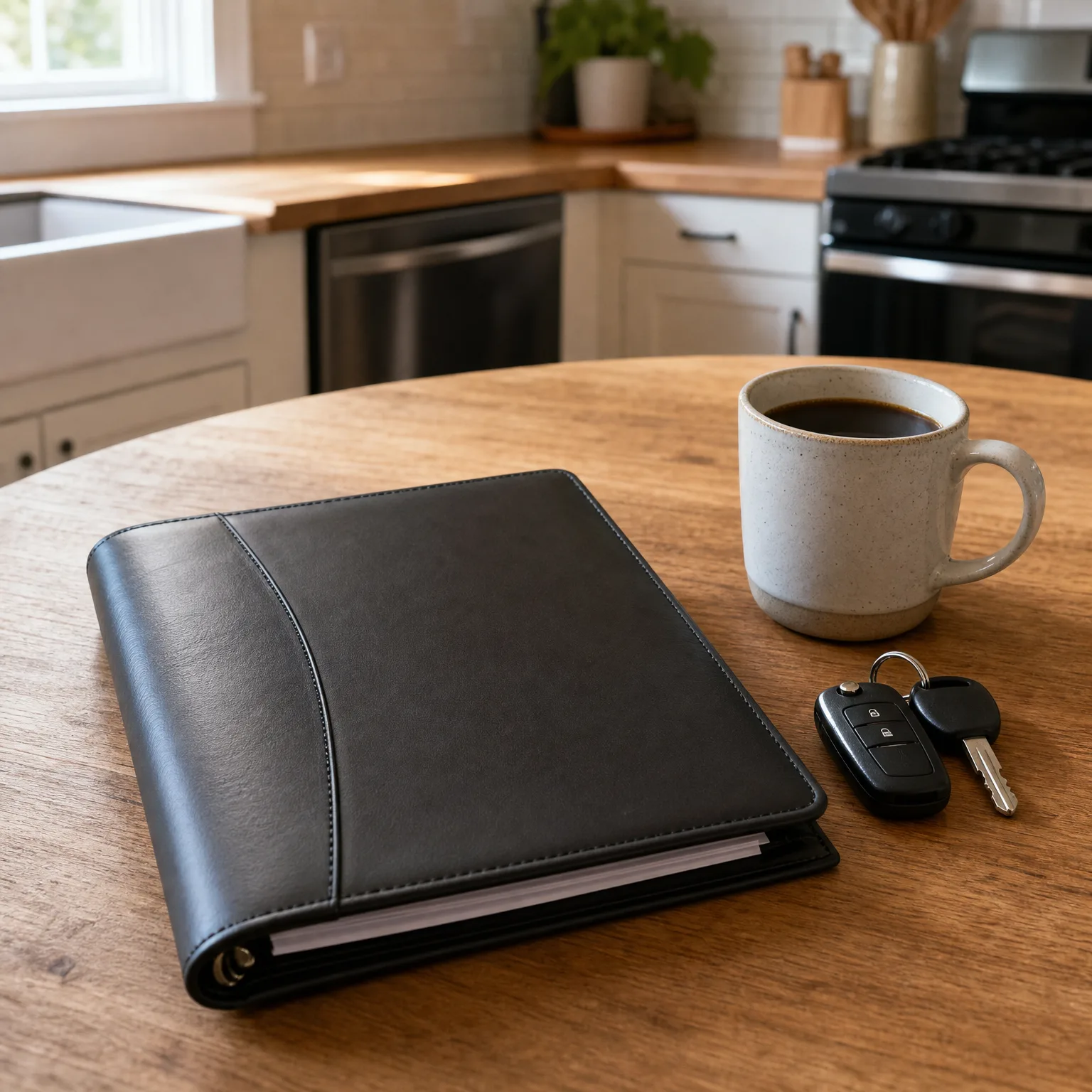
What to actually do with a binder
- Ask for it before you drive Request the binder the moment you agree on a price, not after you're already on the road. The insurer can usually issue it over the phone in minutes.
- Check what it covers Make sure the binder reflects the coverage you actually asked for, full coverage or just the state minimum. It won't upgrade itself automatically.
- Confirm the expiration Binders are temporary and expire after a set window that varies by insurer. Ask exactly when yours ends and what you need to do before then.
- Get it in writing for the lender If you're financing, ask the insurer to include the lender's specific requirements on the binder. Confirm with the lender how they want to receive it.
- Keep a copy with you Carry a printed or digital copy of the binder in the car until the full policy documents arrive. It serves as your proof of insurance in the meantime.
A binder isn't a lesser form of coverage, it's the same coverage you asked for, just not printed yet.