Insurance Before Driving a Used Car Home
You need liability coverage in place before you drive, and often full coverage too if the car is financed or worth protecting.
Your policy extends to a new car, but only if you tell it to
Most insurance policies extend coverage to a newly acquired car for a short window automatically, carrying over whatever coverage you had on your existing vehicle. That means if you had full coverage before, the new car likely has full coverage too, for a few days, without you calling anyone. But that window is short and it closes. If you don't add the car to your policy before it ends, you're driving uninsured without realizing it.
The amount of coverage that carries over depends on what you already had. If your old policy only carried liability, that's all the new car gets during the grace period, even if you wanted full coverage on this one. So the real question isn't whether you have a window, it's whether the coverage riding along in that window is the coverage this car actually needs.
A lender changes the calculation entirely. If you're financing, the loan agreement almost always requires full coverage, with the lender listed on the policy, before the car can legally leave the lot or close a private sale. Dealers typically won't let you drive off without proof. Private sellers don't check, but your lender will find out eventually, and being uninsured on a financed car creates real financial exposure if something happens to it.
What counts as the grace period, how long it lasts, and whether it applies to private-party purchases the same way it applies to dealer purchases varies by insurer and by state. Call your insurer before you buy, not after, so you know exactly what you're covered for the moment you drive away.
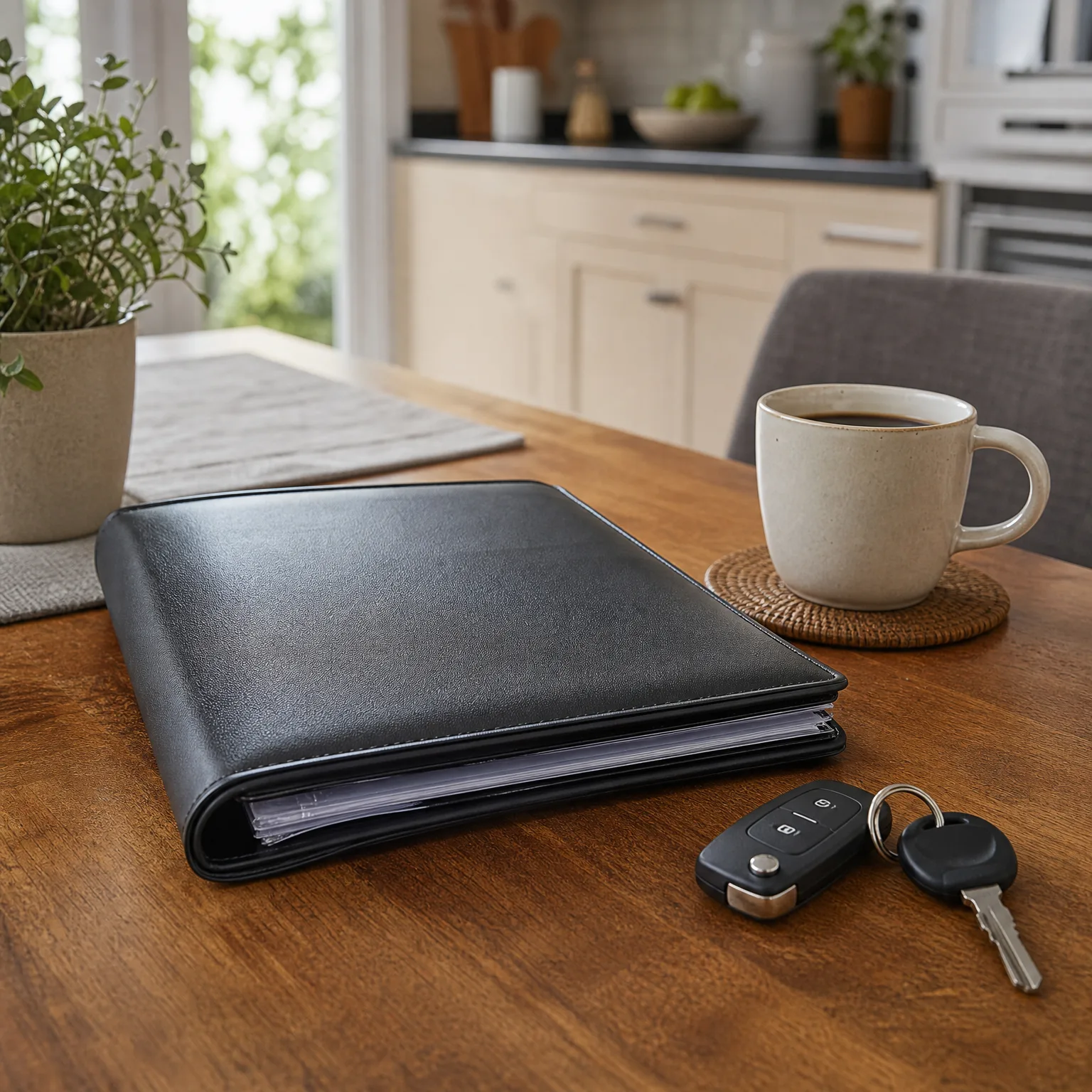
What to settle before you drive the car home
- Confirm your grace period Ask your insurer directly how long new cars are automatically covered and at what level. Don't assume it matches what you want for this car.
- Pick liability or full coverage Full coverage protects the car itself, which matters more on a newer or pricier used car. On an older car worth little, liability alone may be the more sensible choice.
- Check the lender's requirement If you're financing, call the lender or read the agreement for the exact coverage they require. Add the car to your policy before the loan funds or the sale closes.
- Get the vehicle history first A history report shows past accidents or title issues that affect both the price you should pay and what it costs to insure. Get it before you agree on a number.
- Add the car before you drive Call your insurer to add the car the same day you buy it, even if a grace period exists. A confirmed policy beats a window that might already be closing.
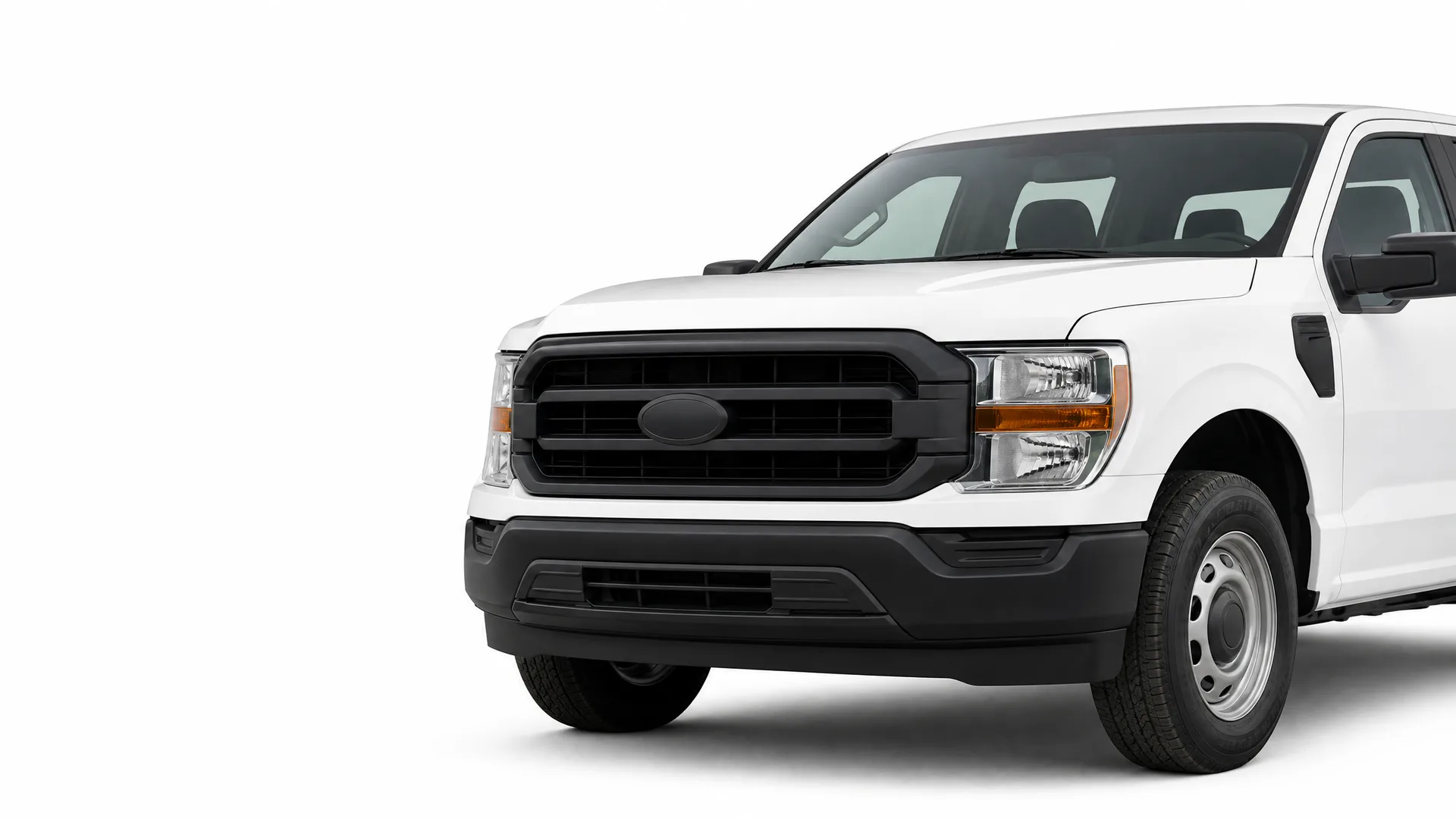
The car isn't insured by default. It only carries whatever coverage level your old policy already had.
Once you know what level of coverage this car needs, compare quotes to find it at the right price.

Call your insurer before you buy or wait until after
If you do
You find out exactly what's covered automatically, for how long, and at what level. You can add the car immediately with the right coverage in place, drive home knowing you're protected, and avoid any gap. If you're financing, you confirm the lender's requirement is met before the deal closes.
If you don't
You're relying on a grace period you haven't confirmed, at a coverage level you're guessing about. If your old policy was liability-only, a damaged new car might not be covered the way you assumed. If you're financing, the lender could flag the gap later, creating problems with the loan.
Does a vehicle history report affect what I pay for insurance?
Yes, indirectly. Insurers don't usually pull a history report themselves, but what's in it, like a past accident, flood damage, or a salvage title, affects the car's value and risk profile, and that shapes your premium. A car with a rough history can cost more to insure or be harder to get full coverage on at all.
It also affects the price you should pay for the car itself, which matters because full coverage is based partly on the car's value. Get the report before you finalize a price, not after. If it reveals serious past damage, you may want to negotiate the price down, ask about liability-only coverage instead of full coverage, or walk away entirely. A clean history makes the insurance decision simpler and often cheaper.