What Does Liability Insurance Actually Cover
Liability insurance pays for the other person's damage and injuries when the accident is your fault, nothing on your own car.
It pays for the damage you cause, not the damage you take
Liability coverage exists because every state wants a driver who causes a crash to be able to pay for what they broke. It splits into two pieces. One piece pays for the other person's car or property. The other pays for their medical bills, lost income, and related costs if they're hurt. Both only apply when the accident is your fault, and both only apply to the other party.
Your own car is never part of this picture. If you want your car repaired or replaced after a crash you caused, that comes from collision coverage, a separate policy piece you choose to add or not. This is exactly why liability alone on an older used car can feel cheap and still leave you exposed. You're covered for what you owe other people, not for what you lose yourself.
Limits matter because damage doesn't stop at a round number. Every policy has a cap on what it pays per person hurt, per accident, and for property damage. If the costs run higher than your limit, you're responsible for the rest out of pocket. States set a minimum you must carry, but minimums are often low relative to what a serious crash actually costs, especially involving a newer car or a hospital visit.
What varies by state is how the coverage is structured and whether you're required to carry extra protections alongside it, like coverage for an uninsured driver who hits you. Check your state's specific requirements and don't assume the minimum is the same number or the same shape everywhere.
What liability actually includes
- Other driver's car repairs If you cause a crash, this pays to fix or replace the other person's vehicle. It does not touch your own car at all.
- Other driver's medical bills This covers injury costs for the other driver and their passengers when you're at fault. Check your limit against what a real injury claim can cost.
- Property beyond the car Liability also pays if you damage a fence, a storefront, or anything else that isn't a vehicle. It's one combined limit, so check what it includes.
- Legal costs if you're sued If the other party sues over the accident, liability typically covers your legal defense up to your policy limit. Ask your insurer exactly what's included.
- Nothing for your own car Your repairs, replacement, or medical bills come from separate coverage you add yourself. Decide early whether your used car needs that protection too.

Carrying only state minimum liability
If you do
You're legally allowed to drive and you've met the requirement. Your monthly cost stays low, which can matter right after a used car purchase. But if you cause a serious crash, the payout caps fast and you cover the rest yourself, including your own car's damage, which minimum liability never touches.
If you don't
You add higher limits or extra coverage like collision. Your monthly cost goes up, sometimes noticeably on top of what you just spent on the car. But a bad accident doesn't become a second financial event, and your own car's repair or replacement is actually covered instead of resting entirely on you.
Now that you know what liability covers and leaves out, compare quotes to find limits that actually protect you.
A used car buyer learns the gap the hard way
Someone buys a ten-year-old sedan from a private seller and insures it with state minimum liability, figuring an older car doesn't need much. A few weeks later they rear-end someone at a stoplight. The other driver's car needs real bodywork and their liability coverage pays for it without issue, exactly as expected.
But their own sedan has a cracked bumper and a bent frame rail, and liability pays none of it. They assumed insurance would just handle their car too, and it doesn't work that way. They end up paying for their own repair out of pocket, and afterward they add collision coverage, deciding that even an older car is worth protecting once they understand what liability actually does and doesn't do.
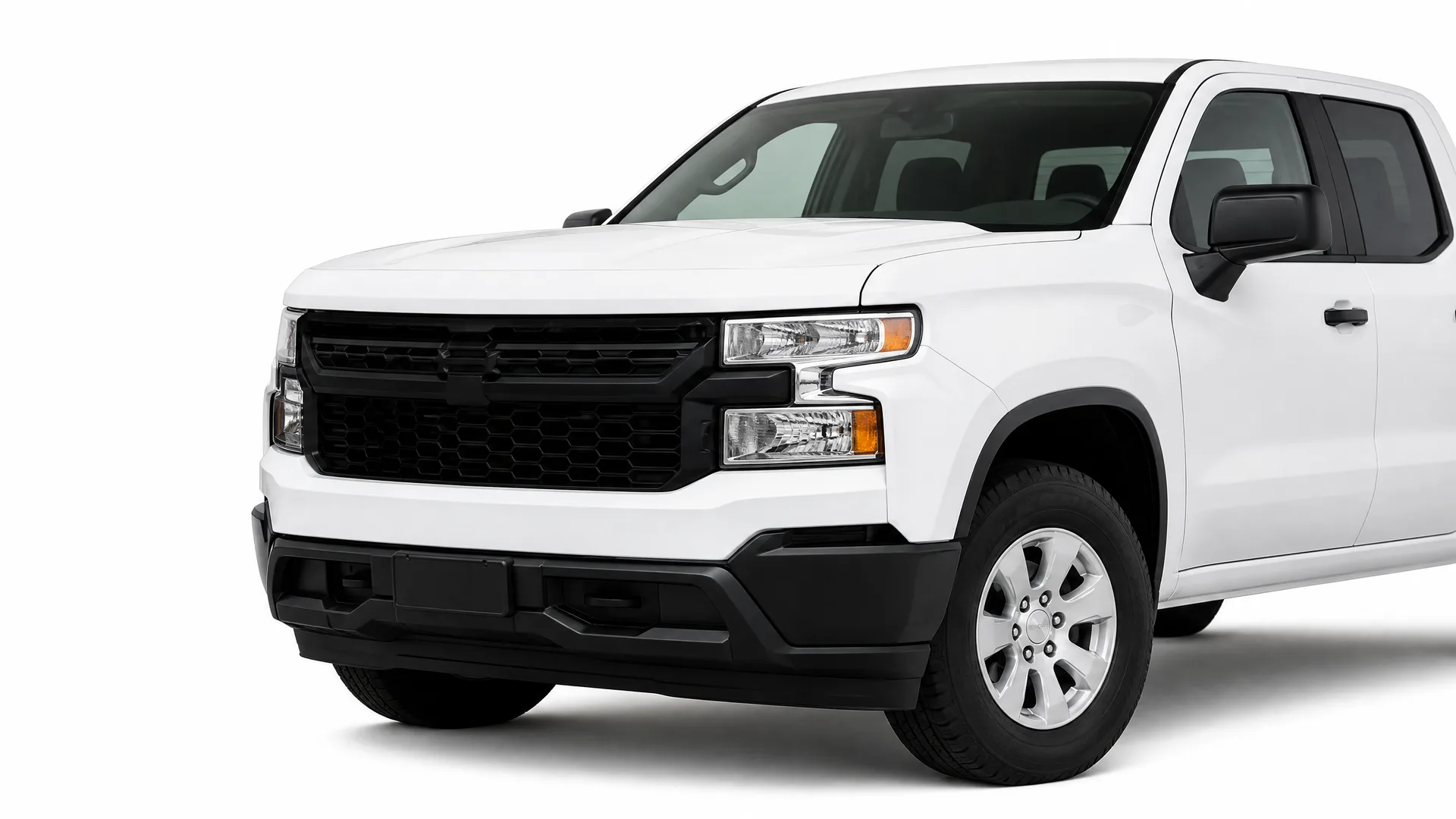
Liability protects other people from you. It was never protecting your car at all.
Is liability-only insurance enough for a used car?
It depends on what you can afford to lose, not on how old the car is. Liability meets the legal requirement and protects you from lawsuits and other people's bills, but it leaves your own car completely uncovered if you cause the crash. An older car with low resale value makes that trade feel more reasonable, since full coverage on a car worth little can cost more than it's protecting.
Still, think about whether you could replace the car yourself if it were totaled tomorrow. If paying for that outright would be hard, collision and comprehensive coverage are worth the added cost even on a used car. If you're financing the purchase, your lender will likely require that extra coverage anyway, so check your loan terms before you decide liability alone is enough.