Full Coverage or Liability on a Used Car
The right coverage depends on what the car is worth and what you'd lose if it were totaled tomorrow, not on how old it is.
The decision comes down to what you can afford to lose
Liability only pays for damage you cause to someone else. It never pays to fix or replace your own car. Full coverage adds protection for your car itself, whether it's stolen, damaged in an accident you caused, or wrecked by weather or another driver who can't pay. That extra protection costs more, so the question is whether your car is worth enough to make it worth paying for.
A simple way to think about it is to compare what the car is worth against what a year of full coverage would cost you. If the car's value is low and the yearly cost of carrying full coverage is high relative to that value, you're paying a lot to protect a small amount. If the car is worth more, especially if replacing it would strain your finances, full coverage starts to make more sense even though the car isn't new.
If you're financing the car, this decision may not be yours to make. Lenders almost always require full coverage for as long as you owe money, because the car is collateral for the loan. Check your loan agreement or ask your lender directly before you shop for a policy, since driving without the coverage they require can violate the loan terms.
There are cases that don't fit the simple rule. If you couldn't afford to replace the car out of pocket, full coverage protects you even on an older car. If you live somewhere with a lot of theft, severe weather, or deer strikes, the comprehensive part of full coverage can matter more than the collision part. And if the car has a rough history, a past accident or flood title, insurers may price it differently or ask for an inspection, so get a quote before you assume either option is cheap.
Weighing it out on a car bought from a private seller
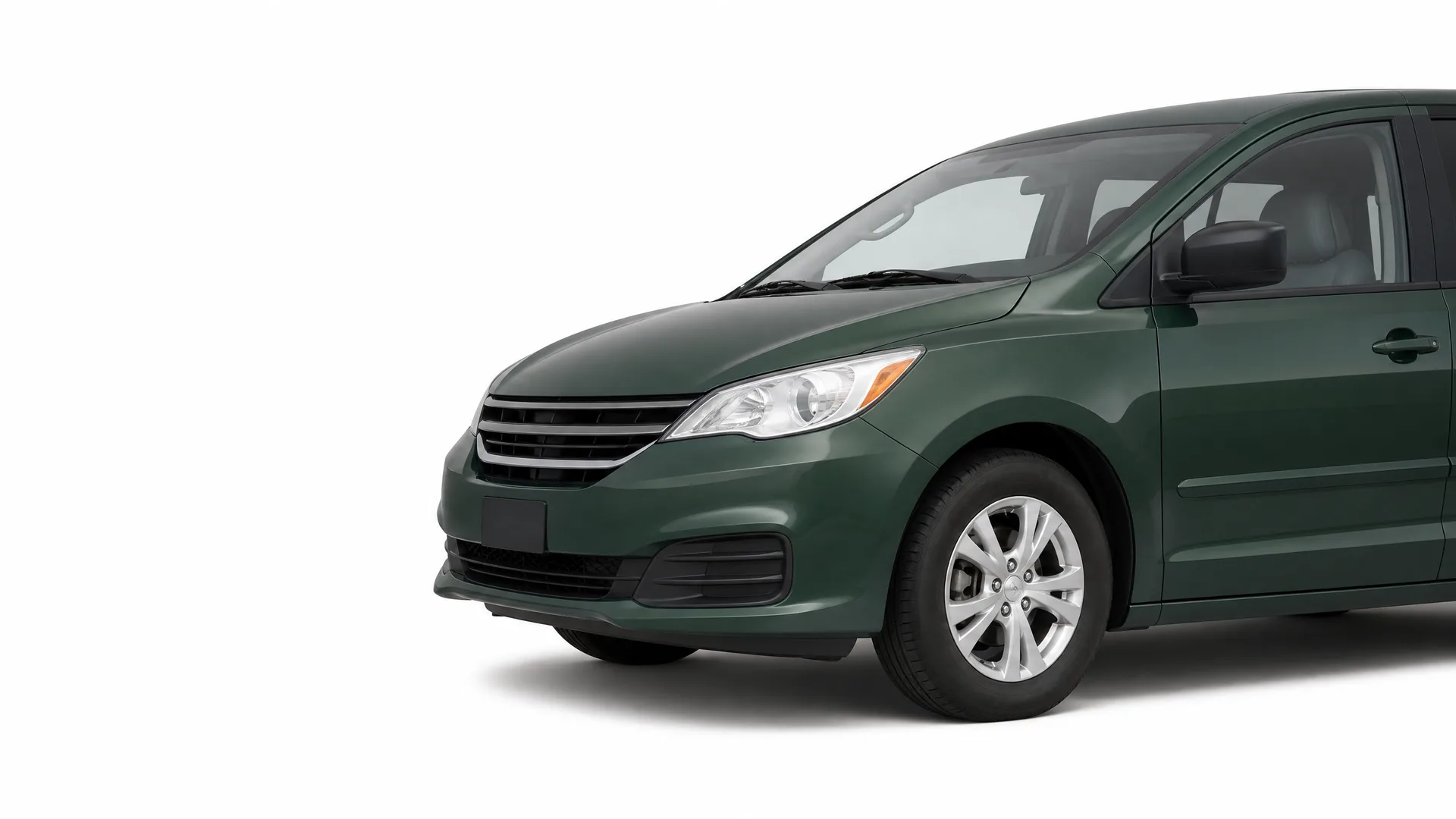
Someone buys a ten-year-old sedan from a private seller for cash, no loan involved. The car runs well but has some wear, and there's no dealer around to explain next steps. Before driving it home, they call their insurer to add the car to their policy and ask what coverage makes sense now that there's no lender requiring anything.
They ask the insurer for the car's estimated value and compare that to the added cost of full coverage over a year. The value is modest and the full coverage cost eats up a meaningful chunk of it, so they choose liability only, but they also ask about an emergency fund buffer in case something happens to the car. A year later, a minor accident leaves the car with cosmetic damage they pay for themselves. They're fine with the outcome because they made the choice knowingly, not by default.
The car's age doesn't decide this. Its value, your loan, and what you could lose do.
Now that you know which coverage fits your car, compare quotes to find the best price for it.

What actually determines the right coverage for you
- Car's current value This sets the ceiling on what full coverage would ever pay out. Get an estimate before deciding, since a car's value can be lower than you'd guess.
- Loan or lease status If you're financing, your lender likely requires full coverage until the loan is paid off. Check your agreement before shopping for a policy.
- Cost of full coverage itself Compare the added yearly cost against the car's value, not against what you paid for it. A quote will show you this directly.
- Your ability to replace the car If a total loss would be a financial hit you can't absorb, full coverage is worth it even on a car that isn't worth much on paper.
- The car's history A past accident or title issue can affect how insurers price the car. Ask for the vehicle history before you commit to either coverage level.
Can I switch from full coverage to liability later if the car depreciates more?
Yes, and many people do exactly this. As a car ages and loses value, the case for paying extra for full coverage weakens, so it's common to carry full coverage for the first several years of ownership and then drop to liability once the car's value has fallen enough that the coverage isn't worth its cost anymore.
The only hard limit is your loan. If you're still financing or leasing, you can't drop full coverage without violating your agreement, no matter how the car's value has changed. Once the loan is paid off, the choice is yours again. Check in on the car's value every so often, maybe once a year, and compare it against your current premium to see if it's time to switch. Your insurer can usually give you an updated value estimate on request.