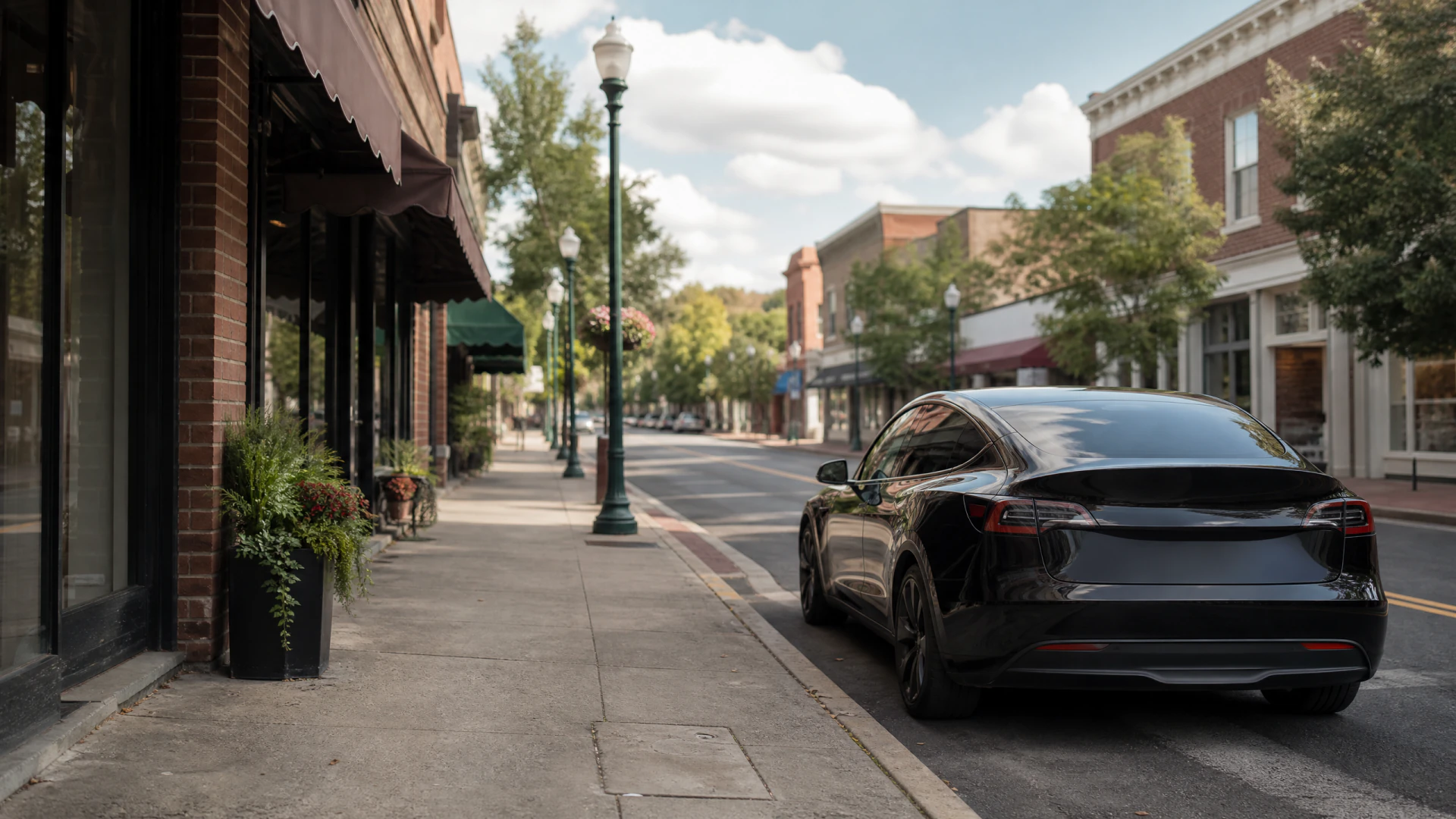
If Your Car Is Totaled Do You Keep Paying Insurance
You keep paying until you cancel the policy, and you should wait to cancel until the claim and any loan payoff are fully settled.
Your policy and your loan end on different timelines
An insurance policy and a car loan are two separate obligations, and a totaled car doesn't automatically close either one. Your insurer keeps charging premiums as long as the policy is active, because the policy covers you as a driver and the circumstances of your accident, not just the physical car. Until you call and cancel, the billing continues.
The reason people wait to cancel is that the claims process takes time. Your insurer has to inspect the car, agree on its value, and issue payment. If you cancel the day of the accident, you can lose certain protections mid-claim, like coverage for a rental car or liability if something happens before the title transfers. Keeping the policy active until the claim closes protects you from gaps you can't predict.
The loan complicates things further if you still owe money on the car. Insurance pays out the car's value, not your loan balance, and those two numbers often don't match, especially on a newer car that's lost value fast. If the payout is less than what you owe, you're still responsible for the difference unless you had separate loan-payoff coverage. That gap has nothing to do with your insurance policy ending, it's a separate debt that outlives the claim.
What varies by state and insurer is how refunds work and how fast cancellations take effect. Some insurers refund unused premium automatically once a total loss is confirmed, others require you to request it. Check your policy documents or ask your insurer directly how they handle cancellations after a total loss, so you know what to expect and when.

The short version
You keep paying premiums until you formally cancel the policy, which you should do only after the claim settles and any loan balance is resolved. Canceling too early can cost you protection mid-claim. Call your insurer once the payout and title transfer are final, and ask about any refund for unused premium.
What if the insurance payout is less than what I still owe on the car?
You're still responsible for paying the difference to your lender. Insurance pays out what the car was worth right before the accident, not your remaining loan balance, and those two numbers often diverge, especially if the car lost value quickly or you made a small down payment.
Some loans include a separate product that covers exactly this gap, paying the difference between the payout and the balance so you're not stuck paying for a car you no longer have. Check your loan paperwork to see if you have this, because it isn't automatic and isn't part of your regular insurance policy. If you don't have it, contact your lender right after the claim settles to work out a plan for the remaining balance, rather than waiting for it to become a bigger problem.
Once you know when to cancel and what you'll owe, compare quotes for your next car with that groundwork already done.

Canceling the policy right away versus waiting until the claim closes
If you do
If you cancel immediately after the accident, you save on premiums right away, but you risk losing coverage you still need. If a dispute comes up about fault or value, or you need a rental car while things get sorted, you're on your own. Any refund owed to you may also get delayed or complicated.
If you don't
If you wait to cancel until the claim and loan payoff are finalized, you stay protected through the whole process, including any rental coverage or liability questions. You pay a bit more in premiums during that window, but you avoid gaps that could cost you far more if something goes wrong before everything is settled.
What to handle before you cancel the policy
- Confirm the total loss decision Your insurer has to officially declare the car a total loss before anything moves forward. Ask for this in writing so you have a clear record of when the process started.
- Check your loan balance Compare the payout amount to what you still owe, if anything. If there's a gap, contact your lender early to understand your options before the loan goes into default.
- Stay insured until payout Don't cancel until you have the settlement check in hand and the title transfer is complete. This protects you from gaps in liability or rental coverage mid-claim.
- Ask about premium refunds Once you do cancel, ask specifically whether you're owed a refund for the time you didn't use. Some insurers issue this automatically, others require a request.
- Line up your next policy early If you're replacing the car, start pricing new coverage before you finalize anything. This avoids a rushed decision once the old policy is closed.