Replacing a Totaled Car With a Used One
You can insure the replacement car the same day, and what your old policy paid out shapes how much coverage the new one needs.
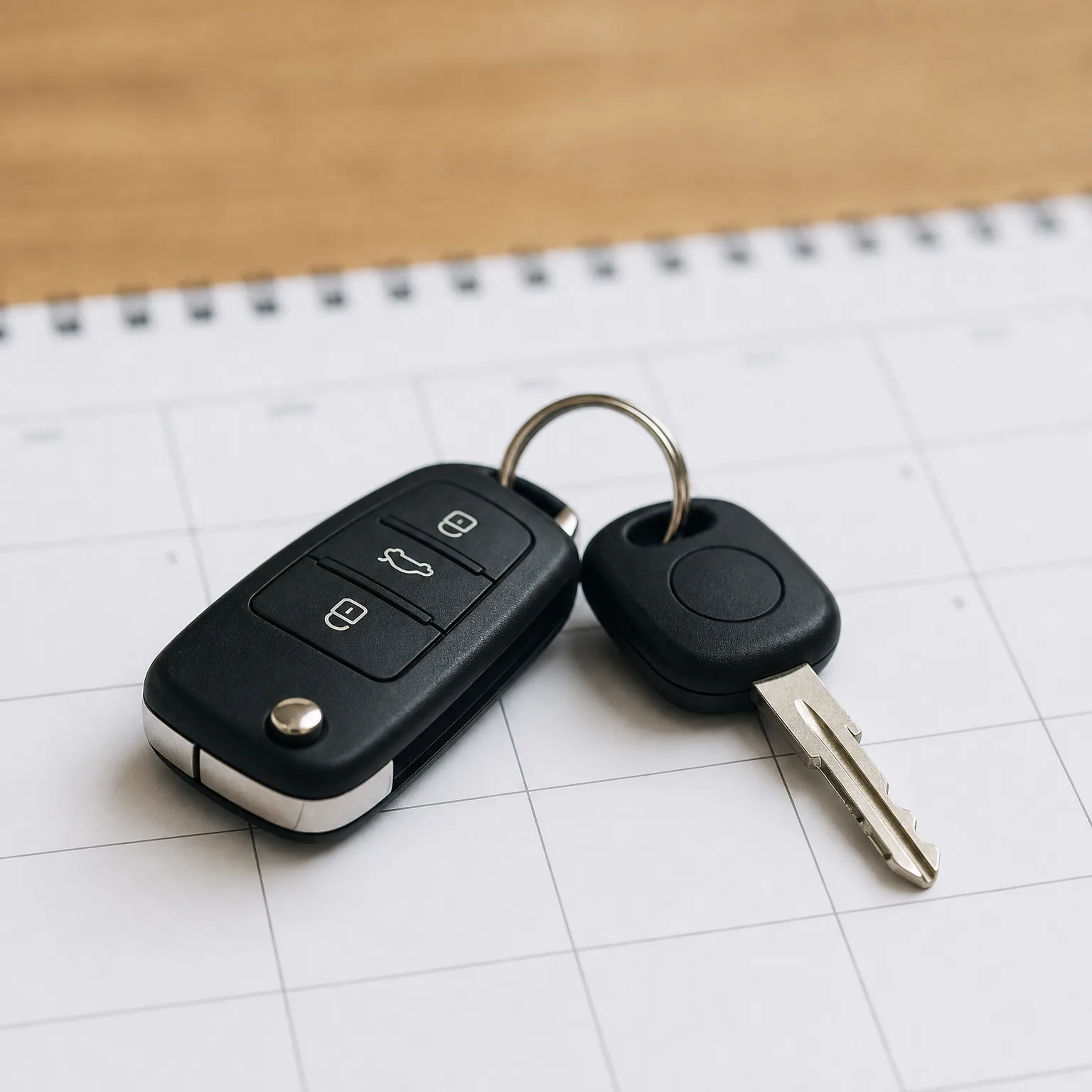
What to sort out before you drive the replacement home
- Move the policy, don't restart Most insurers let you swap the totaled car for the new one on the same policy instead of writing a fresh application. It's faster and keeps any history you've built with that insurer intact.
- Match coverage to car's value An older used car may not need the same full coverage the totaled one carried, especially if you own it outright. Decide based on what the car is worth now, not what the old one was worth when you bought it.
- Settle the payout timing first If the claim check hasn't arrived yet, you may be buying the replacement with your own money temporarily. Confirm when the payout lands so you know what you can actually afford to put down.
- Ask about a gap in coverage If there's any time between canceling the old policy and insuring the new car, you can't legally drive it. Line up the new policy to start before or exactly when you take possession.
- Check what a lender requires If you're financing any part of the replacement, the lender will set a minimum coverage level before releasing funds. Get that requirement in writing before you shop for a policy.

A driver replaces a totaled sedan with a used wagon
Maria's car was totaled in a highway collision. The insurer's payout took a little over a week to process, so she used savings to put a deposit on a used wagon from a private seller while she waited. She called her insurer before picking up the car and asked them to move her policy to the new vehicle rather than cancel and restart, which kept her same start date and avoided any gap in coverage.
Because the wagon was older and worth less than her totaled sedan, she dropped the optional coverage she'd carried before and kept only what the state required plus basic protection against damage. When the payout arrived, it covered most of what she'd spent, and she adjusted her coverage again once she saw the final number. The whole process took about ten days from accident to driving the replacement home legally insured.
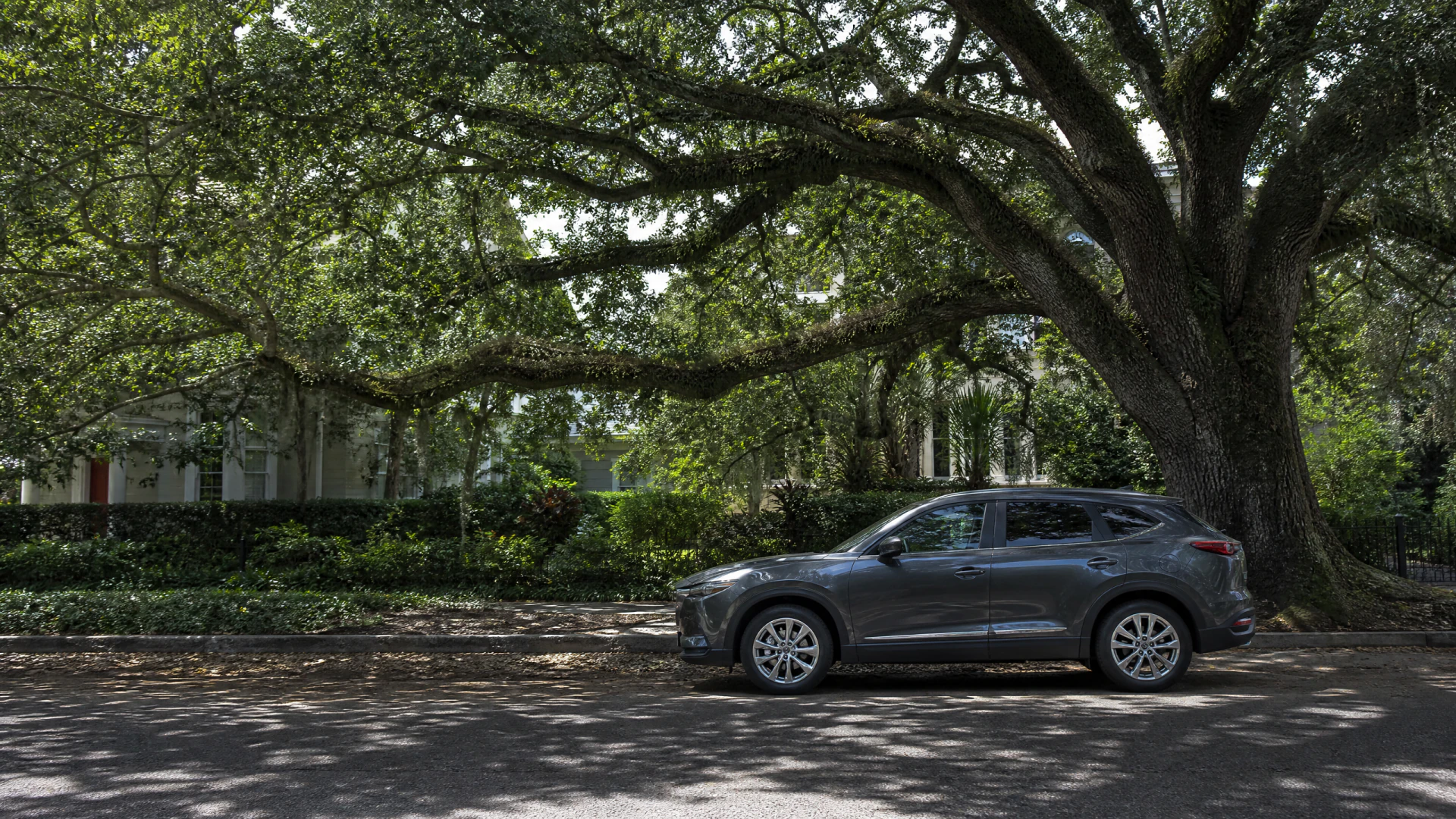
Now that you know how to carry coverage into the new car, compare quotes to see what it actually costs.
Why the switch works the way it does
An auto policy insures you as a driver and attaches itself to whatever vehicle you tell the insurer you're driving. That's why moving to a replacement car is usually a quick update rather than a new application. The insurer already knows your history, your state's requirements, and your driving record, so the main thing left to settle is what the new car is worth and what coverage makes sense for that value.
The payout from the totaled car and the insurance on the replacement are two separate processes that happen to overlap in time. The claims side is figuring out what your old car was worth before the accident. The new policy is figuring out what your replacement car is worth now. These numbers are rarely the same, especially if you're moving from a newer car to an older used one, which is why people often reduce coverage on the replacement even though they carried more on the car they lost.
Where this gets complicated is the gap between losing the old car and insuring the new one. Some insurers let you hold a policy open on a car you no longer have for a short stretch while you shop, others want you to cancel it right away. State rules about what coverage is mandatory also differ, so what you're required to carry on the replacement depends on where you live, not on what you carried before.
If you're financing the replacement, the lender adds its own requirement on top of the state minimum, and that requirement doesn't bend based on your claim history. Check what the lender needs before you assume last policy's coverage level was enough.
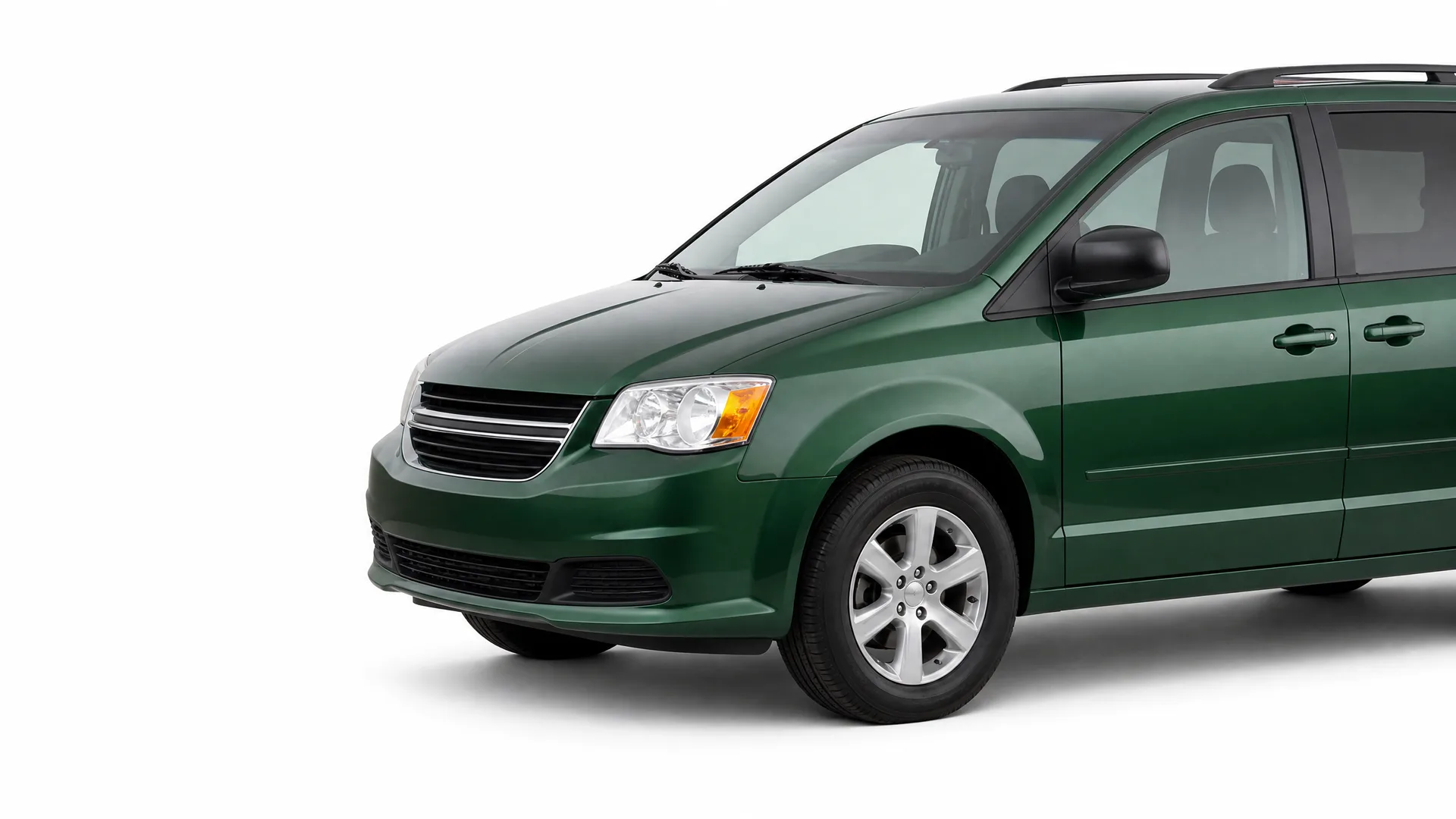
The payout and the new policy are separate decisions. Don't let the old coverage level decide the new one.
Will replacing the car with a cheaper used one lower my insurance cost?
Usually, yes, but not automatically and not by the same amount for every type of coverage. The portion of your premium tied to the car's value, mainly the coverage that pays for damage to the car itself, tends to drop when the car is worth less. The portion tied to liability, which covers damage you cause to others, is based more on you as a driver and where you live, so it often stays close to what you paid before.
The only way to know the actual number is to tell your insurer the replacement car's details and ask for the adjusted price before you finalize anything. If the drop seems small despite a much cheaper car, ask specifically which coverages changed and which didn't, since that's usually where the explanation lives.