Is a CPO Warranty Bumper to Bumper
No, a CPO warranty usually covers specific major systems, not everything on the car, so you still need to know what's excluded.
Why the coverage is narrower than the name suggests
A certified pre-owned warranty is built by the manufacturer or dealer to make an older car feel like a safer bet, but it is still a cost they're managing. True bumper to bumper coverage on a new car is broad because the automaker is betting on very few early failures. On a used car with real mileage, that bet gets riskier, so CPO programs narrow the coverage to the parts most likely to cause a serious breakdown, mainly the engine, transmission, and drivetrain.
What gets excluded tends to be wear items and anything cosmetic. Brakes, tires, wiper blades, bulbs, and interior trim usually fall outside the warranty because they wear down through normal use rather than failing from a defect. Some programs also exclude electronics like infotainment systems or sensors, since those vary a lot by manufacturer and model year.
This is also where state rules and individual dealer programs start to matter. Some states require minimum disclosure about what a CPO warranty includes, and some manufacturers write more generous terms than others for the same car. Two CPO cars from different brands can carry very different coverage even if both are marketed the same way. Check the actual warranty document, not just the CPO label, to see what's listed by name.
This matters for your insurance decision because a CPO warranty and your auto insurance cover different kinds of risk entirely. The warranty handles mechanical failure. Your insurance handles collision, theft, liability, and the kind of damage that happens from an accident rather than a worn-out part. Knowing the warranty's limits helps you decide if you want extra protection like gap coverage or a higher comprehensive limit, since the warranty won't step in for anything insurance already covers.
The short version
A CPO warranty typically covers major mechanical systems like the engine and transmission, not everything on the car. Wear items, cosmetic damage, and some electronics are usually excluded. Read the actual coverage list for your specific car, then decide your insurance coverage based on what the warranty leaves out.

A buyer checks the warranty before setting their coverage
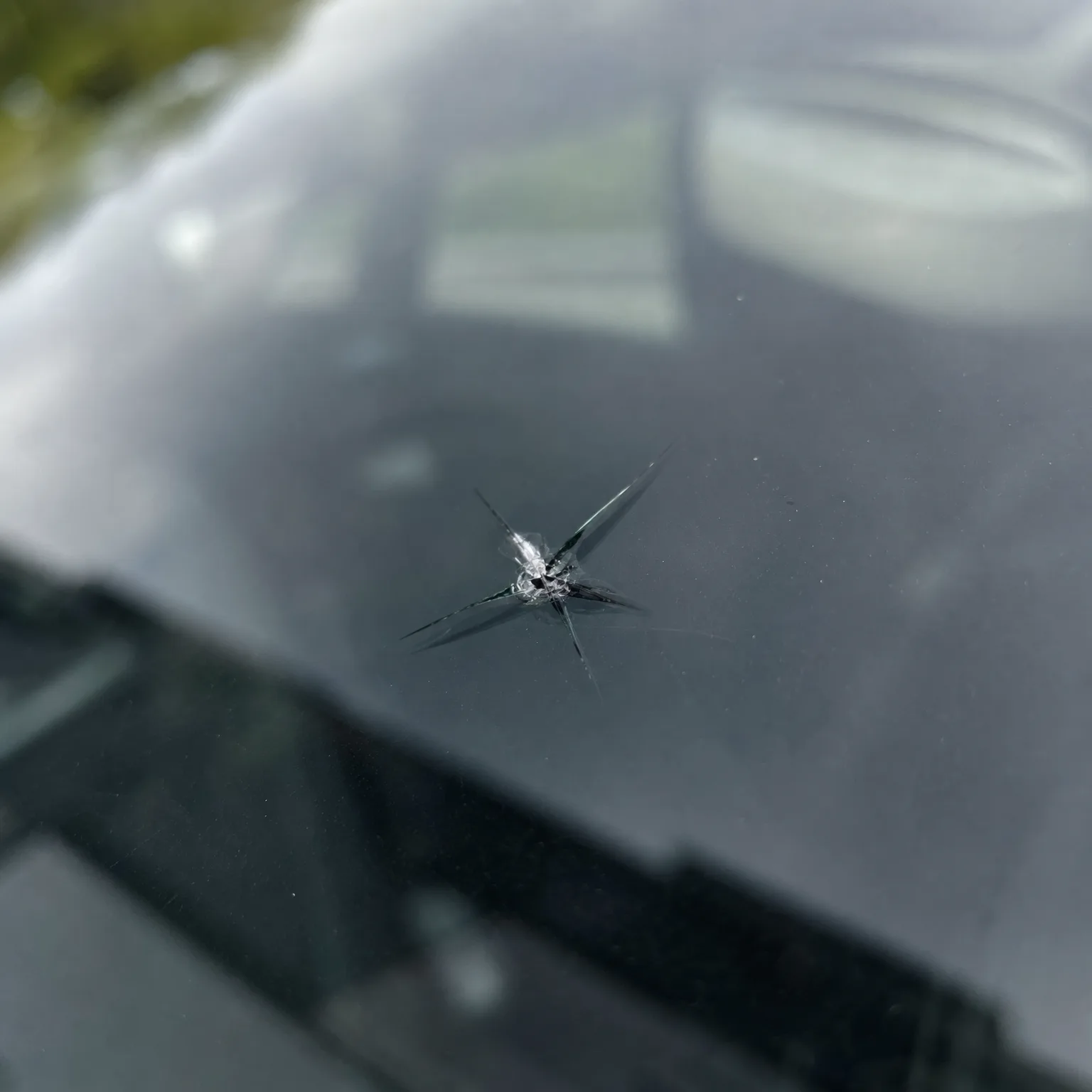
Someone buys a CPO sedan from a dealer and assumes the warranty means they can skip comprehensive coverage to save money. Before finalizing their policy, they pull up the actual CPO contract and see it only covers the engine, transmission, and a short list of electrical components. Nothing about theft, weather damage, or a cracked windshield is in there at all.
Realizing the warranty won't help if the car is stolen or hit by hail, they keep comprehensive coverage in their policy instead of dropping it. They also notice the warranty excludes brake pads and tires, so they budget for those separately rather than expecting any help from the dealer. When they compare insurance quotes, they stick with a policy that covers the gaps the warranty leaves open, rather than assuming the CPO label meant they were already protected.
Now that you know what your CPO warranty does and doesn't cover, compare quotes that fill in the gaps it leaves open.
Does a CPO warranty affect what my insurance should cover?
Yes, but indirectly. The warranty handles mechanical breakdowns in covered parts, while your insurance handles accidents, theft, weather, and liability. Since those are separate categories of risk, having a CPO warranty shouldn't push you to lower your insurance coverage, especially comprehensive and collision, which protect against things the warranty never touches.
Where it can matter is in deciding whether to add extra protection like mechanical breakdown coverage through your insurer. If the CPO warranty already covers the engine and transmission well, you probably don't need to pay extra for that overlap. But if the warranty is short or limited, some drivers choose added mechanical coverage once the CPO warranty runs out, so it's worth checking the warranty's length and terms before deciding.

What does a CPO warranty typically not cover?
It typically excludes wear items like brakes, tires, and wiper blades, along with cosmetic damage and sometimes certain electronics. These are considered maintenance rather than defects, so they fall outside most CPO contracts. Check your specific warranty's exclusion list, since some manufacturers cover more electronics or interior components than others. If a lot is excluded, you may want to budget separately for those repairs or ask the dealer about extended coverage options.
How long does a CPO warranty usually last?
It varies by manufacturer and sometimes by the car's age or mileage at purchase, so there's no single standard length. Some programs extend the original factory warranty, while others start a new coverage period at the time of certification. Check the CPO contract for the exact start date and mileage limit, since those determine when you'll need to rely fully on your insurance and savings. If the warranty is short, planning for mechanical costs sooner makes sense.
Can I buy additional coverage if the CPO warranty isn't enough?
Yes, many dealers and third parties offer extended service contracts that pick up where a CPO warranty leaves off. These can cover additional systems or extend the time period beyond what the manufacturer includes. Compare the cost of an extended contract against the likelihood of needing it, since older or higher mileage CPO cars may benefit more from extra coverage than newer ones. Always check what the extension actually adds before paying for it.