How to Check a Cars Accident History
Run the car's identification number through a vehicle history service, then confirm what it shows against the car itself.
A history report shows what was reported, not everything that happened
A vehicle history report pulls together records from sources like insurers, repair shops, auctions and state title offices. When one of those sources reports an event, like a salvage title or a flood claim, it shows up. That makes the report genuinely useful, because serious damage usually leaves a paper trail somewhere in that chain.
But the chain has gaps. A minor accident paid for in cash, with no insurance claim filed and no shop reporting it to a data service, often leaves no record at all. The same is true in states or situations where reporting isn't required or where a repair shop just doesn't participate in the data networks these reports draw from. A clean report means no one reported damage, not that none occurred.
This is why a report and a physical inspection do different jobs. The report tells you about documented history, titles, odometer readings, past ownership. An inspection or a mechanic's look tells you about the car as it actually sits today, panel gaps, paint that doesn't quite match, frame work. Sellers who know a car's real history don't always disclose it voluntarily, so the inspection catches what the paperwork can't.
What counts as a reportable event and how title branding works can vary by state, so if a report flags something unfamiliar, check what that label means where the car is titled before you decide what it's worth to you.
A clean report, a car that still needed a second look
A reader found a car from a private seller at a fair price, newer than what they expected for the money. The seller said it had never been in an accident. A history report came back clean, no salvage title, no reported accidents, consistent mileage across past records. That matched what the seller said, but the price still seemed low for the model and year.
Instead of relying on the report alone, they paid a mechanic to do a pre-purchase inspection. The mechanic found slightly uneven panel gaps on one side and paint overspray inside a wheel well, signs of bodywork that never generated an insurance claim or a title brand. The reader didn't walk away, but they used the finding to negotiate the price down and asked the seller directly about it, learning there had been a minor parking lot collision handled without insurance. They bought the car at a lower price with that fact priced in, rather than finding out later and feeling misled.
Once you know the car's real history, compare quotes with that information already in hand.

Whether you check accident history before you buy
If you do
You go in knowing what's documented and can ask the seller pointed questions about anything unclear. You can negotiate price around real issues, walk away from a car with a branded title, or confirm a clean report with an inspection. You buy with confidence instead of hoping nothing was hidden.
If you don't
You're relying entirely on what the seller chooses to tell you. If the car has hidden damage or a branded title, you may not find out until it fails inspection, needs repairs, or you try to resell it later. By then there's no seller to go back to and no leverage to fix the price.
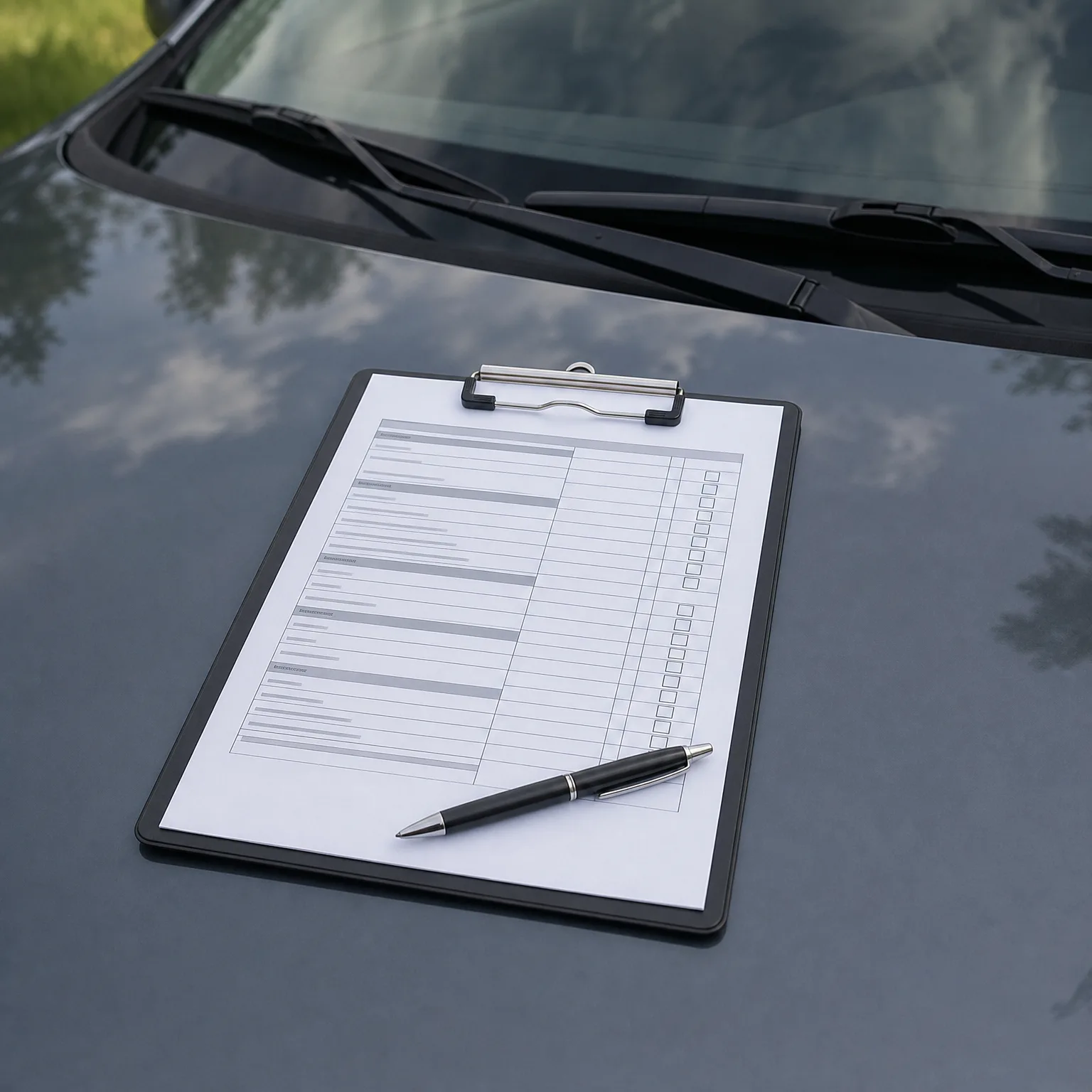
What actually checking accident history involves
- Get the VIN first The vehicle identification number is on the dashboard, the door jamb, and the title. Every history check starts here, so get it before you do anything else.
- Run a history report Use the VIN to pull a vehicle history report. Look specifically for title brands, reported accidents, and whether mileage readings are consistent over time.
- Check the title itself Ask to see the actual title, not just a photo of it. Words like salvage, rebuilt, or flood printed on the title override anything a report says.
- Get a mechanic's inspection Pay an independent mechanic to inspect the car before you buy, not the seller's mechanic. This catches undocumented damage no report will ever show.
- Ask the seller directly Ask plainly whether the car has been in an accident, even after a clean report. Their answer and their reaction both tell you something worth knowing.
Does a clean accident history report mean the car is actually fine?
No, it means no one reported damage to the services that compile these reports. Minor accidents paid for without an insurance claim often leave no record anywhere. A clean report is a good sign, but pair it with a physical inspection by an independent mechanic before you treat it as proof the car has no hidden issues.
What does a salvage or rebuilt title actually mean for insurance?
It usually means the car was declared a total loss at some point and later repaired and retitled. Some insurers limit coverage options or price these cars differently because of that history. Rules and definitions vary by state, so check with insurers directly about how a branded title on this specific car affects what coverage they'll offer and at what cost.
Can I trust mileage shown on a history report?
Mostly, but not completely. Reported mileage comes from past title transfers, inspections, and service records, so gaps between those events can hide tampering. Compare the report's mileage timeline against the odometer and the car's general wear, and be suspicious if the numbers don't climb steadily or if there's a long gap with no readings at all.