Can You Look Up a VIN Before Buying a Car
Yes, you can look up a VIN before buying, and doing it before you hand over any money is what makes it useful.
A VIN is the one piece of the car that can't lie
Every vehicle has a unique VIN stamped into its frame, and that number carries a record tied to the car itself rather than to whoever is selling it. Anyone can run it before a sale, before a test drive, before money changes hands. The seller doesn't need to be involved and doesn't need to grant permission.
What the lookup surfaces depends on where the information came from. Title history, reported accidents, odometer readings, and past ownership changes usually show up, because they're tied to records that title offices and insurers report. But a VIN check only shows what's been reported. An accident paid for in cash and never filed with an insurer won't appear, and neither will mechanical problems that never caused a title brand.
This is why a clean VIN report is reassuring but not conclusive. It rules out certain bad outcomes, like a salvage title or a flood history, but it doesn't rule in good condition. A car can have a spotless record and still need a transmission next month. The VIN check and the physical inspection are answering different questions, and you want both before you decide.
One more thing varies here. How complete the record is can depend on the state where the car was titled and registered over its life, since reporting requirements aren't identical everywhere. If the car has moved between states, check whether the report pulls history from all of them, not just the most recent one.

What to actually do with the VIN before you commit
- Get the VIN early Ask for the VIN before you meet or before you commit to see the car in person. A seller who won't share it before a visit is a signal worth noticing.
- Check the title record Look specifically for salvage, rebuilt, or flood titles. Any of these changes what the car is worth and what it will cost to insure.
- Compare the odometer reading Match the mileage in the report against what the dashboard shows right now. A mismatch means the car needs a harder look before you go further.
- Confirm it matches the car Check the VIN plate on the dashboard and door frame against the number you looked up. This confirms you're buying the car the report describes.
- Still get it inspected A VIN report doesn't replace a mechanic's inspection. Use the report to decide if the car is worth that next step.
What if the VIN check comes back clean but something still feels off?
Trust the inspection over the report. A clean VIN history means nothing serious has been reported, not that nothing has happened. Sellers who paid out of pocket for repairs, or who bought the car used without full records, can have a car with real problems and a spotless report.
If something feels wrong, a test drive and an independent mechanic's look will catch things a VIN number never will, like worn suspension, a rebuilt engine done quietly, or water damage that never triggered a title brand. Treat the VIN check as your first filter, not your last word. If the car passes both the records check and a hands-on inspection, you're deciding with the full picture instead of half of it.
Once you know the car's real history, compare insurance quotes with that confidence already in hand.

Running the VIN check before you commit to the car
If you do
You find out about title brands, past accidents, or odometer problems before you've paid anything. If something's wrong, you walk away or renegotiate with real leverage. If it's clean, you move forward knowing what you're actually buying, which also helps when you call for insurance.
If you don't
You find out about hidden history after the sale, when it's harder to undo. A salvage title or rolled-back odometer can surface during financing, insuring, or reselling, usually at the worst possible time. By then the leverage is gone and the cost is yours.
A private sale that looked fine until the VIN said otherwise
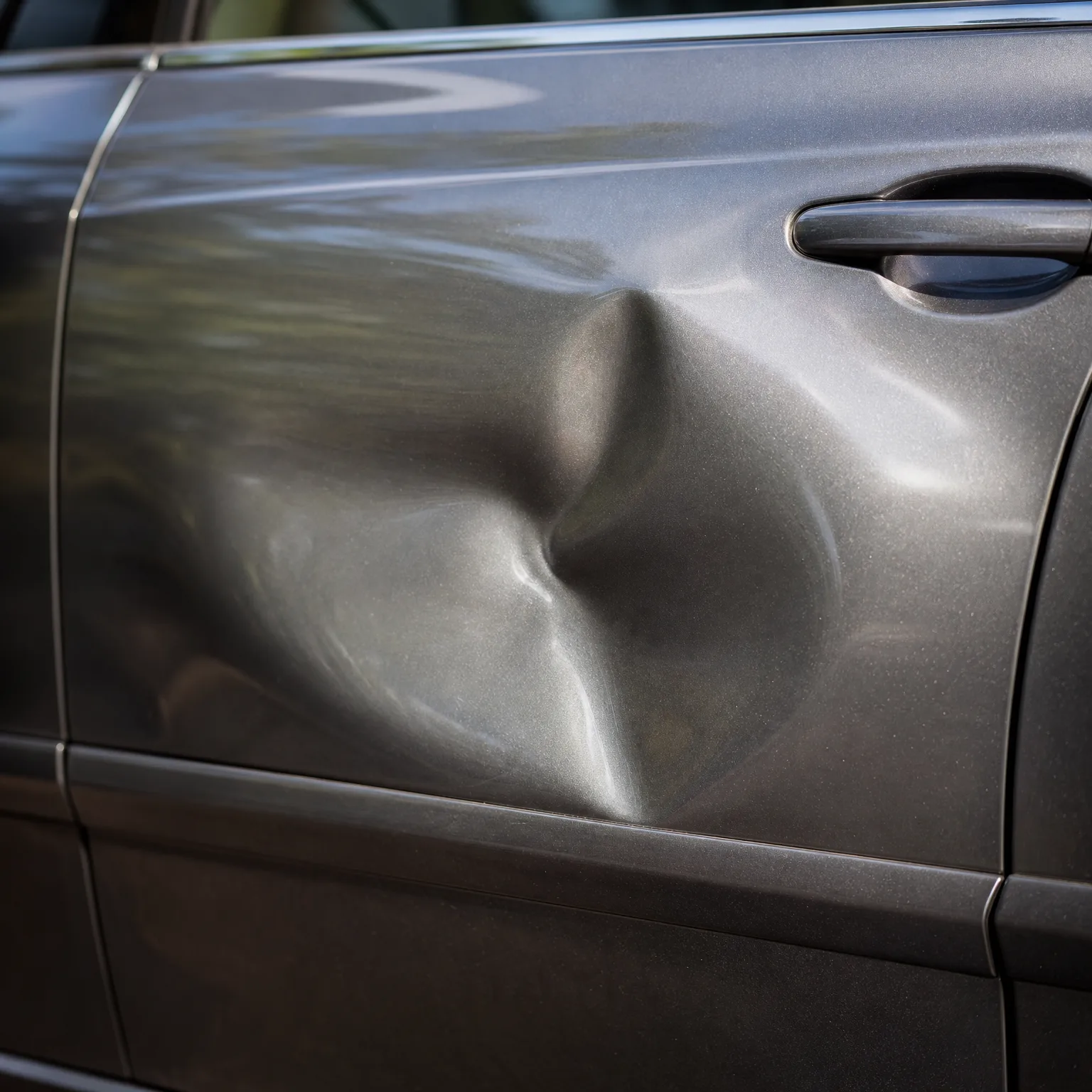
You find a car through a private listing, a few years old, priced a little under what similar cars are going for. The seller seems straightforward and has a title in hand. Before agreeing to meet, you ask for the VIN and run it yourself.
The report shows a rebuilt title from a few years back, something the listing never mentioned. You bring it up, and the seller says it was a minor repair, nothing serious. Maybe that's true. But now you know to ask for repair records, to get an independent inspection before any money moves, and to expect that insuring a rebuilt title car may work differently than insuring a clean one. You still might buy the car, but you're negotiating from the full picture instead of the seller's version of it.
A clean VIN report means nothing was reported, not that nothing happened. Keep looking.