Can I Leave a Dealership Without Insurance
No. You need active insurance on the car before you drive it away from the dealership, not after.
The law requires coverage the moment the car moves, not later
Insurance isn't a paperwork formality you handle after the fact. The requirement is tied to operating the vehicle on public roads, so the obligation starts the second you pull out of the lot. Dealerships know this, which is why most won't hand over keys until you can show proof of coverage, even if the actual law in your state puts the responsibility on you rather than on them.
Underneath this is a simple idea. A car is only a liability risk to other people once it's being driven. Until then it's just property sitting on a lot. The moment you take possession and drive, you become the one responsible if something goes wrong, so the coverage has to exist at that exact moment.
How this gets enforced varies. Some states check for proof of insurance when you register the car or transfer the title, and skipping that step can stop the paperwork cold. Other states rely on roadside enforcement, meaning the risk shows up if you're stopped or in an accident with nothing in place. Either way, the gap between buying and insuring is where the real exposure sits.
There are cases where this feels looser. If you already have a policy covering other vehicles, many insurers extend some protection to a newly acquired car for a short window automatically. That's a feature of your existing policy, not a legal exception, and it doesn't apply if this is your first car or your insurer doesn't offer it. Check your current policy before you assume you're covered.
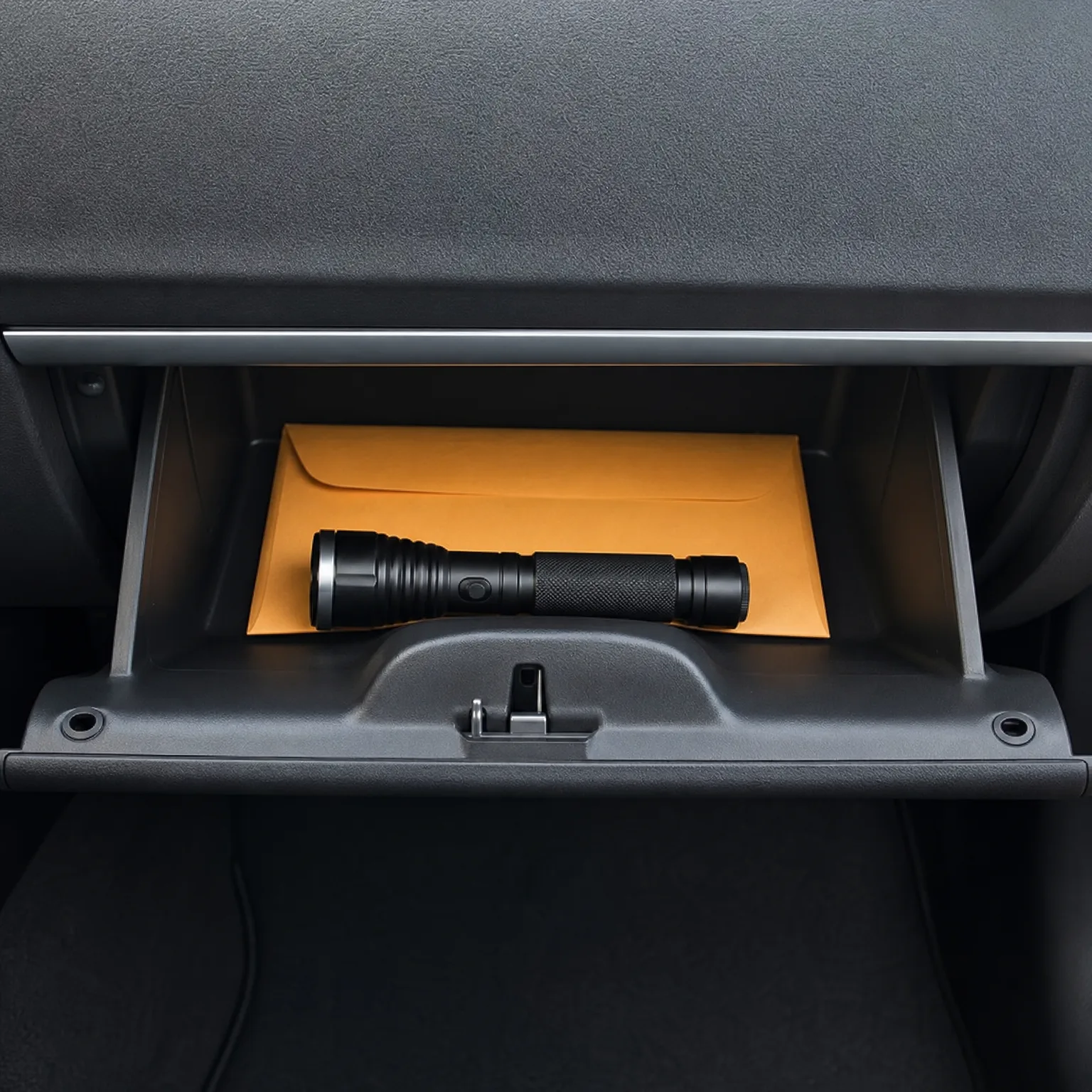
What actually has to happen before you drive off
- Active policy on this car You need a policy that names this specific vehicle, not just your old car. Call your insurer or get a new quote before you arrive to pick up the car.
- Proof the dealer accepts Dealers usually want a declarations page or an insurance card, not just your word. Have it printed or ready on your phone before you ask for the keys.
- Minimum coverage confirmed Every state sets its own minimum liability coverage, and it has to be active, not pending. Check what your state requires so your policy actually qualifies.
- Lender requirements if financing A lender will usually require full coverage, not just liability, before releasing funds. Ask your lender directly what they need so there's no delay at signing.
- Title and registration timing Some states check for insurance when you register the car, which can happen the same day. Ask the dealer or DMV what proof they'll need and when.

Insuring the car before pickup versus showing up without it
If you do
You call your insurer, add the car by its details, and get proof of coverage sent to your phone or email. You arrive, show it, sign paperwork, and drive home knowing you're covered if anything happens on the way.
If you don't
The dealer may refuse to release the car until you can show coverage, which can stall the sale for hours or push it to another day. If you do drive it without coverage, you're personally liable for any damage or injury, with no policy backing you.
Now that you know what needs to be in place before you drive, compare quotes so you can walk in already covered.

Buying a car with cash on a Saturday afternoon
Say you've found a used car from a private seller, agreed on a price, and planned to drive it home that same day. You call your insurer that morning, give them the make, model, and VIN, and ask them to add the car to your policy effective immediately. They email you a temporary insurance card within minutes.
At the seller's house, you show the card on your phone, sign the title transfer, and hand over payment. You drive home with coverage already active, and later that week you register the car and get a permanent card in the mail. Nothing about the drive home felt uncertain, because the coverage existed before you turned the key.
Treat insurance as something you arrange before you buy, not something you deal with after.