Owned vs Financed Car Insurance
Owning the car outright gives you the choice; financing it means the lender sets the minimum coverage you must carry.
What ownership changes about your coverage
- Lender-required coverage If you're financing, the lender requires comprehensive and collision along with liability. Check your loan agreement for the exact terms before you shop for a policy.
- Dropping full coverage Owning the car free and clear means you can drop comprehensive and collision if you want to. Decide based on what the car is worth and what you could afford to replace it with, not just the monthly savings.
- Gap between payoff and value A financed car can be worth less than what you still owe, especially early in the loan. Ask whether your lender requires a gap coverage option or if it's something you need to add yourself.
- Who gets listed as payee When you finance, the lender is usually listed as a loss payee on your policy, so any claim payout for damage goes through them first. Confirm this is set up correctly when you buy the policy, not after a claim.
- Full ownership means full choice Once you own the car outright, every coverage decision is yours. Review your coverage periodically since what made sense for a financed car may not fit a car you now own free and clear.
What happens to my coverage once I pay off the loan?
Nothing changes automatically. Your policy stays exactly as it is until you contact your insurer and ask for a change. The lender's requirements only applied while they had a financial interest in the car, so once that interest ends, the choice of whether to keep comprehensive and collision is entirely yours.
This is a good moment to review the car's value against what full coverage costs. An older car that's been paid off for years might not need the same protection it did when it was newer and financed. On the other hand, if the car is still worth a meaningful amount, dropping coverage just because the loan is gone isn't automatically the right move. The payoff is the trigger to reconsider, not a reason to change anything by default.
Contact your insurer directly when you're ready to make a change, since they won't prompt you to do it on their own.

A financed car isn't fully yours yet, so the lender's requirements come before your own preferences.
Compare quotes with the right coverage already settled, whether it's lender-required or your own choice as owner.

Carrying the coverage your situation actually requires
If you do
You stay compliant with your loan terms and protected against a total loss. If the car is damaged or totaled, the payout covers the lender first, then you, with no gap in what's required. You avoid the lender force-placing its own expensive coverage on you.
If you don't
If you're financing and drop required coverage, your lender can find out and add its own policy to your loan, usually costing more with less protection for you. If you own the car outright, skipping coverage you don't need costs nothing, but skipping coverage you do need leaves you paying out of pocket.
Financing a replacement car after a total loss
You bought a used car to replace one that died, and this one you're financing. The lender's paperwork specified comprehensive and collision coverage with itself listed as loss payee, so you made sure the policy you bought matched those terms exactly before driving off the lot. You also asked about gap coverage since the car was likely to depreciate faster than the loan balance would shrink in the first year.
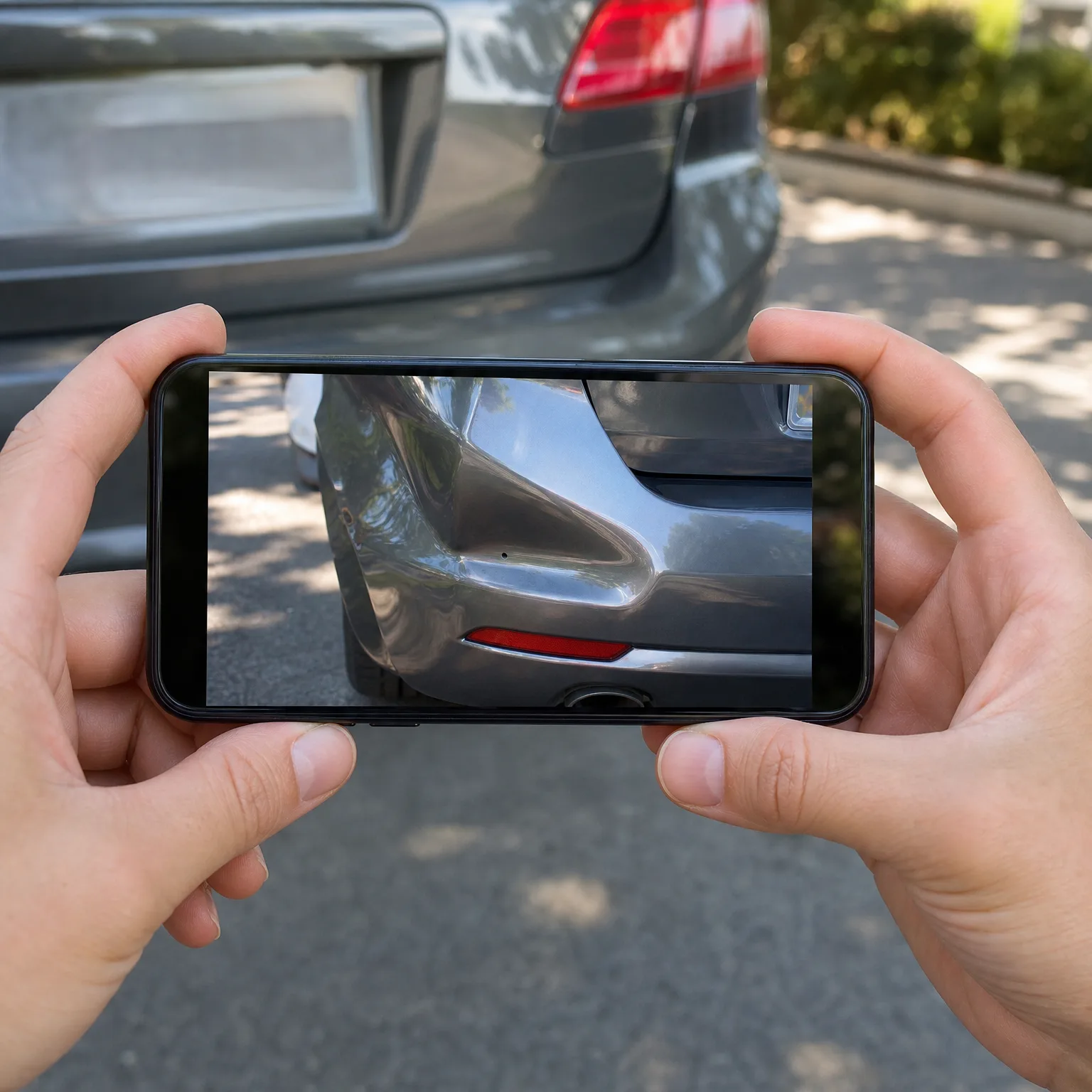
A few months in, the car was totaled in an accident that wasn't your fault. The insurer's payout went to the lender first to cover what was owed, and because you'd added gap coverage, the difference between that payout and the actual loan balance was covered too. You weren't left paying for a car you no longer had. If you'd skipped the gap coverage, you could have owed money on a loan with nothing to show for it, which is exactly the situation that coverage exists to prevent.