Is It Cheaper to Insure an Older or Newer Car
An older car is usually cheaper to insure, mainly because it costs less to repair or replace than a new one.

What actually drives the cost difference
- Vehicle value sets the ceiling Insurers pay out based on what the car is worth, so a high-value new car costs more to cover than an older one. Check what your car would actually sell for, not what you paid for it.
- Safety features can lower risk Newer cars often have features that reduce accident risk or severity, which can offset some of the cost from their higher value. Ask your insurer which features on your car actually affect the price.
- Repair and parts costs matter Some newer cars use expensive sensors and materials that make even minor repairs costly, which raises premiums despite safety gains. Look into typical repair costs for your specific model, not just its age.
- Full coverage changes the math If you drop collision and comprehensive on an older car, you remove the part of the bill tied to its value entirely. Decide first whether the car is worth insuring for more than liability.
- Theft and claims history count Some older models are targeted for theft or parts, which pushes their insurance cost up despite low value. Check your specific make and model's claims history, since this varies a lot car to car.
Replacing an aging sedan with a newer one
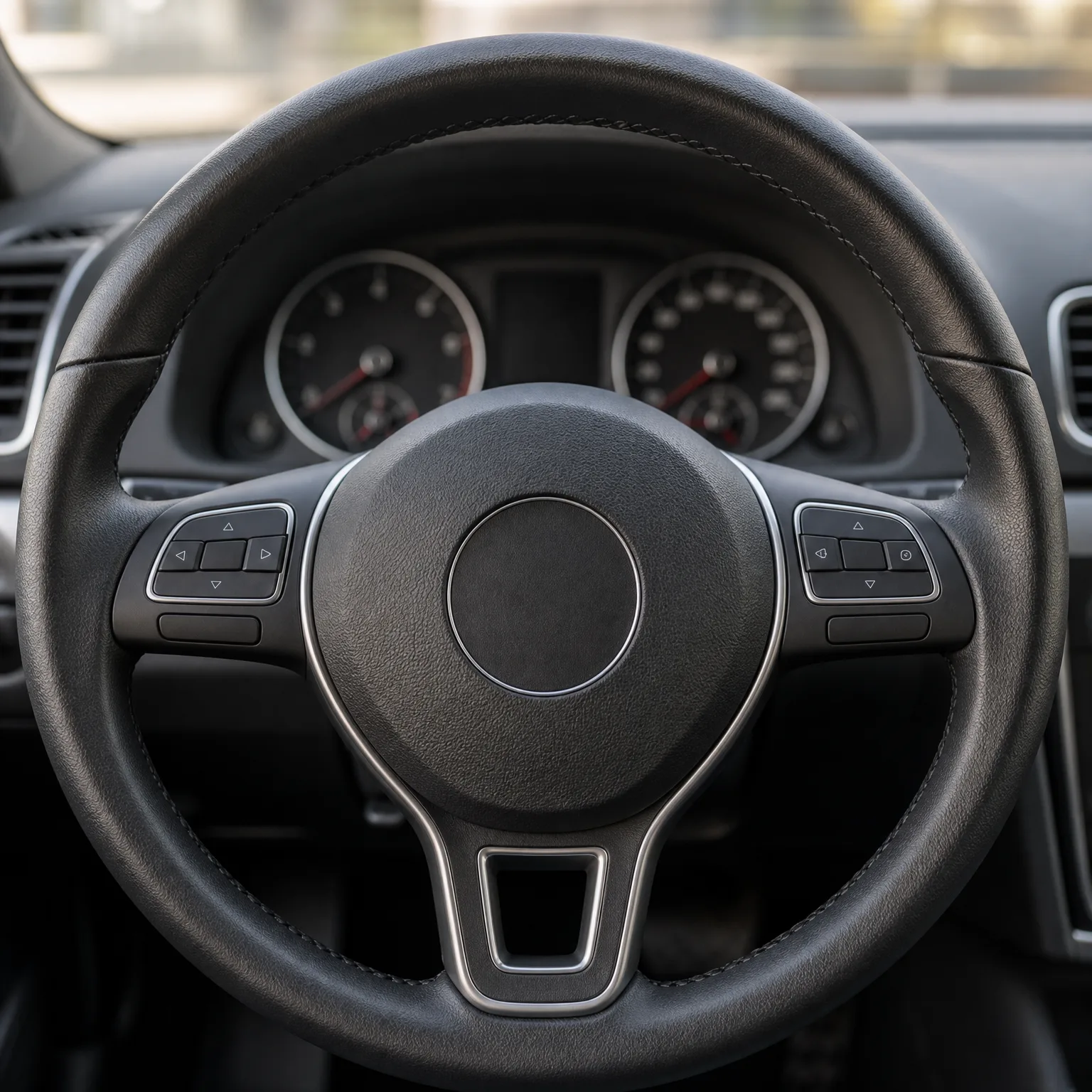
Someone was driving a sedan that had been on the road for a long while and decided to replace it after it needed a major repair. They assumed the newer car, being safer and better equipped, would cost about the same or even less to insure. When they got quotes, the newer car's premium came in noticeably higher, mostly because of its value and the cost of replacing its sensors and cameras after even a small collision.
They weighed it against the fact that the old car had no safety features at all, and decided the higher premium was worth it for the protection. But they also reconsidered their coverage, keeping full coverage on the new car since financing required it, whereas they had dropped it years earlier on the old one once it stopped making financial sense. The lesson they took away was that the age of the car mattered less than its value and what it would cost to fix.

Now that you know what's actually driving your cost, compare quotes to see how your specific car scores.
Why age isn't really the factor, value is
Insurance pricing is built around what an insurer expects to pay out if something happens to the car. That expectation is shaped far more by the car's value and repair cost than by its age on paper. An aging car that still holds decent value, or uses expensive parts, can cost more to insure than a newer economy model with cheap, plentiful parts.
Age mainly matters as a proxy for value, since cars generally depreciate over time. But that relationship breaks down with certain models. Some older cars hold their value well or become more expensive to source parts for as they age, which can keep premiums higher than expected. Meanwhile some new cars depreciate quickly early on, which can bring their insurance cost down faster than people assume.
The other major factor is what coverage you choose to carry. An older car often makes sense with liability only, since paying for collision and comprehensive on a car worth very little doesn't make financial sense. A newer car usually needs full coverage, especially if it's financed, and that coverage is where most of the cost difference actually comes from, not liability.
This is also where it varies by insurer and by state. Some states require minimum coverage levels that affect the baseline cost regardless of the car's age. And insurers weigh these factors differently, so the same two cars can come out in a different order depending on who you ask. It's worth checking with a few insurers directly rather than assuming the general rule holds for your exact car.
Stop thinking about age and start thinking about value and repair cost, that's what actually sets your price.
Should I drop full coverage on my older car to save money?
It depends on what the car is worth and whether you could afford to replace it out of pocket if it were totaled or stolen. If the car's value has dropped low enough that a full year of collision and comprehensive premiums starts to approach what the car is actually worth, carrying that coverage stops making financial sense.
Check your car's real market value, not what you paid for it, and compare that to what full coverage costs you over a year. If you're still financing or leasing the car, your lender almost certainly requires full coverage regardless of value, so this choice may not be yours to make yet. Once the loan is paid off, it becomes a real decision, and many people drop collision and comprehensive at that point and keep only liability.